Kerim's Triptych ❧ Houses, Fact checking, Monsiel
Welcome 👋 to Kerim's Triptych, a free newsletter that delivers three fabulous links to your inbox, two or three times a month. (If you didn't intend to subscribe, or you don't want to receive these anymore, there is an unsubscribe link at the bottom.)
1️⃣ Where our house once stood
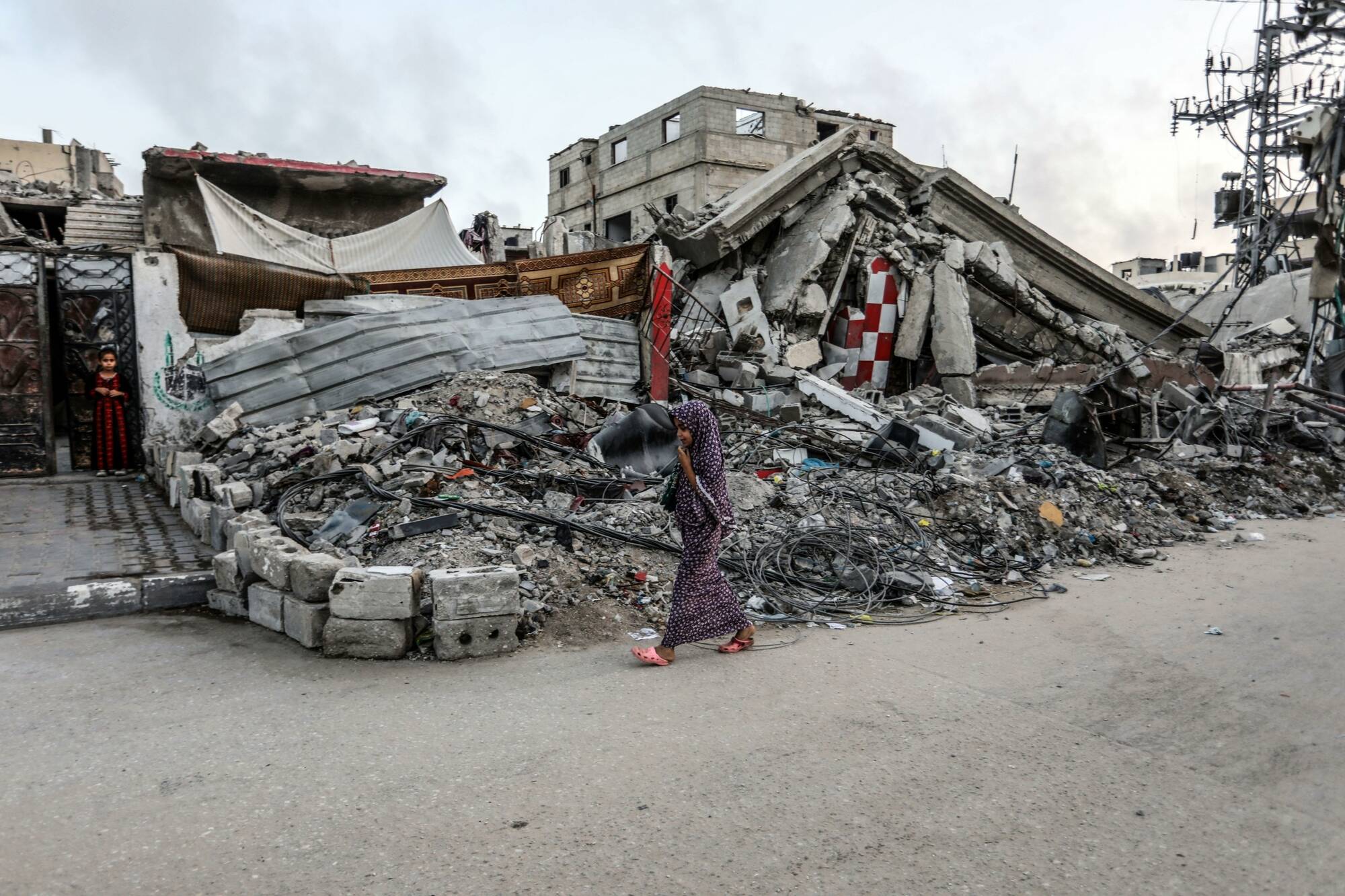
Jewish Currents posted this moving piece by Abdullah Hany Daher, a Palestinian writer and journalist from Gaza, in which he eloquently describes what it is like to navigate a landscape that now only exists in your memories:
Sometimes at night I try to picture our house in all its specificity: the way afternoon light spilled through the window, the cool hallway in summer. But the picture blurs, and panic sets in. What if I forget? What if the place that no longer exists vanishes inside me too? I’ve learned that memory, like a building, can erode without care. It starts with small things—forgetting the exact sound of the front door closing, the smell of rain on the balcony—and ends with a kind of internal demolition, the slow collapse of memory, the sense that pieces of yourself are being erased.
Here, houses are more than walls and roofs. They hold footsteps, smells, echoes of conversations. They keep the map of your life. When too many are gone, the city itself begins to forget. Streets lose their shapes, people lose their usual routes and routines, the landmarks that once oriented them—the corner shop, the mosque, the old tree at the end of the street. The mind’s map slowly disappears. And when a city forgets, the people lose more than shelter—they lose themselves, the proof of their existence and belonging.
2️⃣ Fact checking
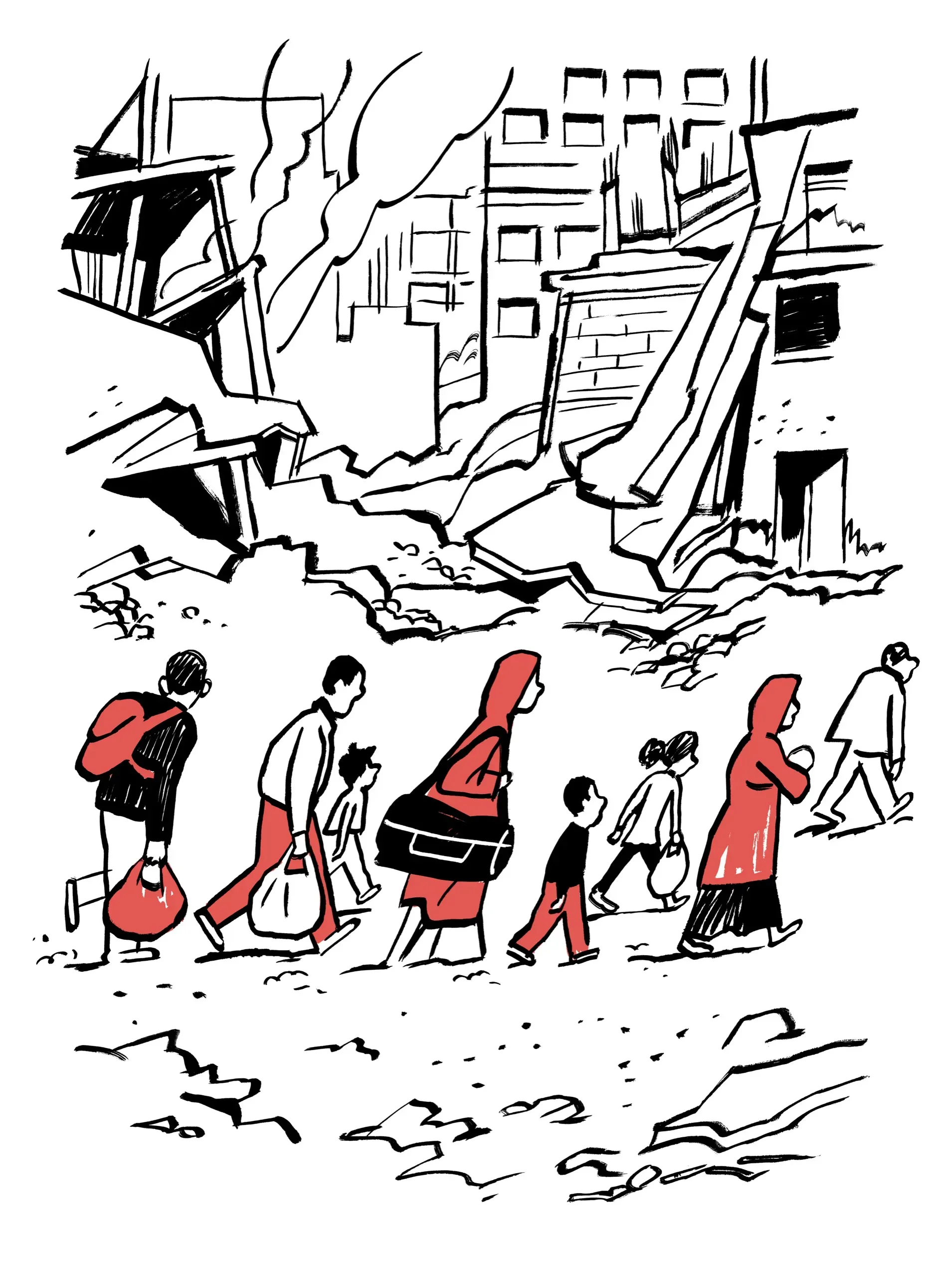
Ismail Ibrahim was a fact checker for the New Yorker, though he never mentions that magazine by name in this wonderfully written piece, published in Bidoun, about how it became impossible for him to work there anymore.
At work, it was surprising to be surrounded by demonstrably smart people who believed, for example, that Donald Trump’s election was somehow surprising, that meaningful wealth redistribution was beyond the political pale, or that individual human beings, and not systems, were history’s main actors. The operating orthodoxy was that police killings, CIA coups, black site torture, and institutional misogyny were aberrations, deviations from the American norm that would eventually be corrected when the arc of the moral universe, long as it is, finally got around to them.
I love the New Yorker, often featuring pieces from it in this newsletter, but as a portrait of David Remnick, the current editor, I find exchanges like the one described by Ismail, completely believable. It also rings true of many other well intentioned liberal institutions in the US that have been unable to rise to the current moment.
3️⃣ Edmund Monsiel
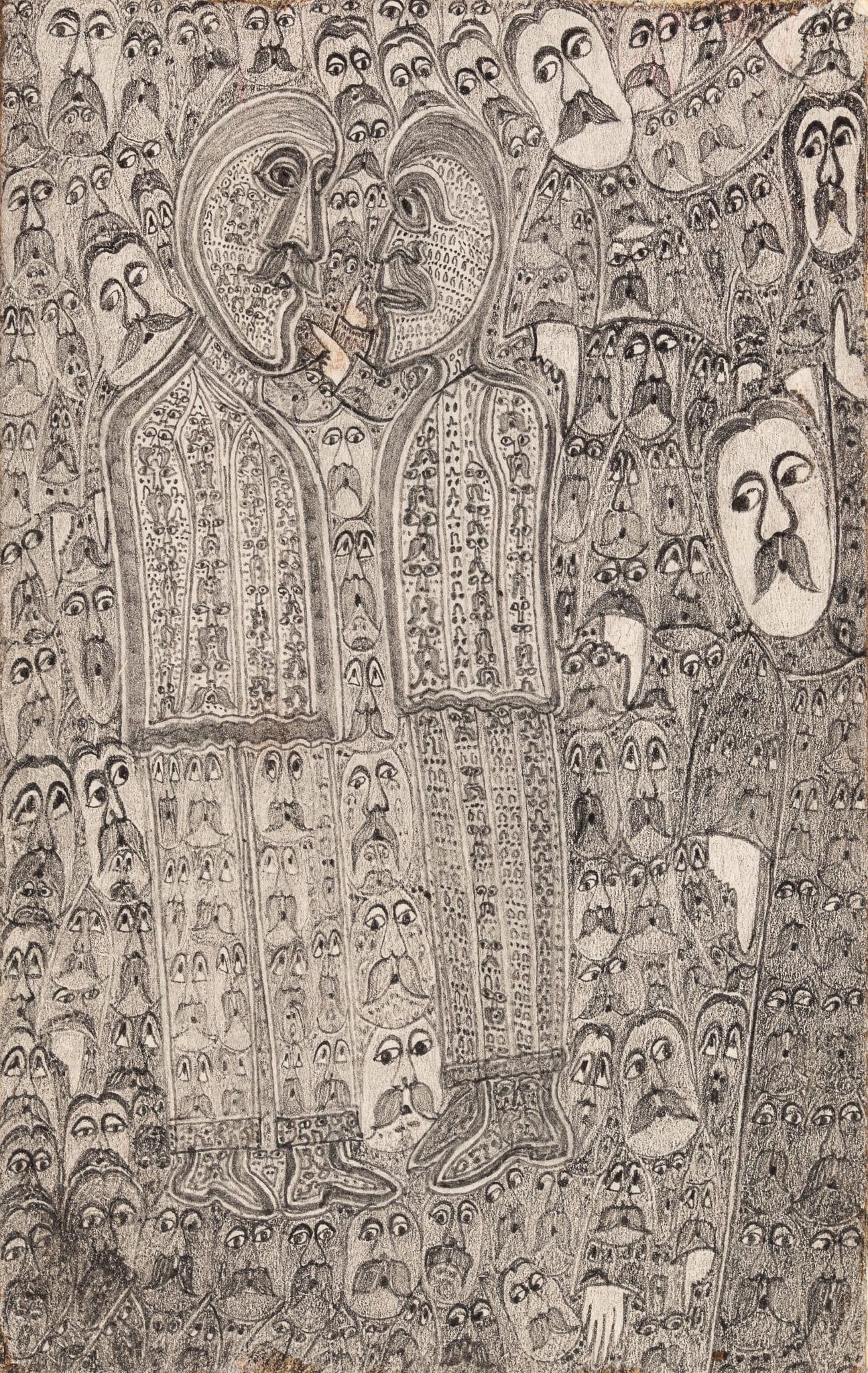
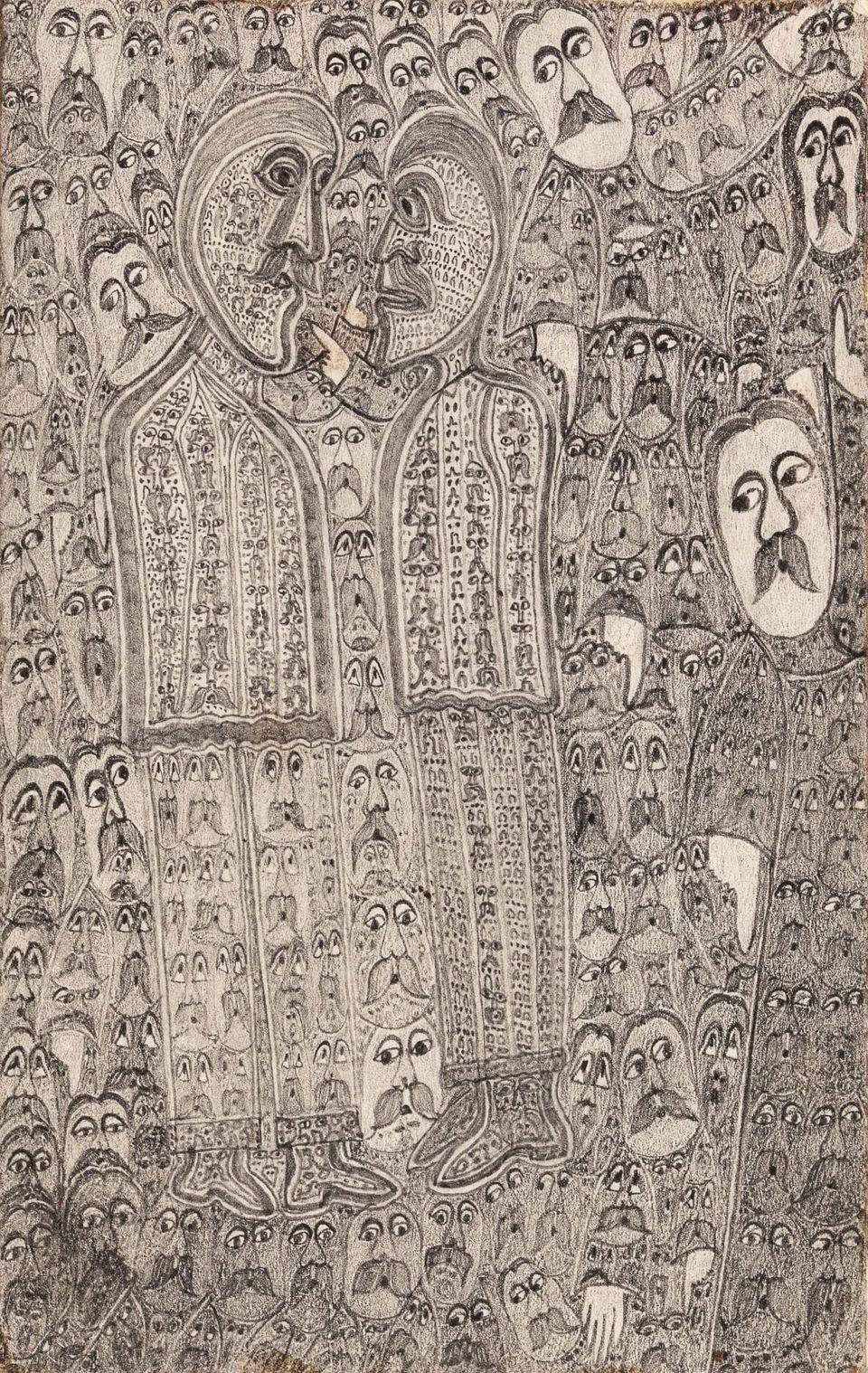
Edmund Monsiel (1897-1962) was a self-taught artist who seems to have had a normal life up until the Nazis occupied his village in Poland. In retaliation for an attack on the Germans, they gathered the residents together and shot 76 people, including Monsiel's brother-in-law and his daughter. Monsiel survived by hiding but became paranoid and reclusive afterwords, devoting all his time to drawing. His artwork was initially discovered as part of a psychological study, not by artists, but later he gained a posthumous reputation as an "outsider" artist.
Endnote
❤️ Enjoying Triptych? Let your friends know! Encourage them to sign up via the Triptych website. I can't begin tell you how happy it makes me to see even one new subscriber!
💬 Or maybe you'd consider writing a short endorsement for the "kudos" page? You can just email it to me, or fill out this Google form.
💰 Want to ensure the long term sustainability of this newsletter? Consider becoming a sponsor. Sponsorship helps pay for my hosting costs as well as the newspaper and journal subscriptions which, in turn, allow me to provide "gift links" to all subscribers. A big shout-out to my current paid subscribers, you help keep me motivated!
🧧 Don't want to enter into a long term commitment, but still want to support the newsletter? You can always leave a one-time tip if you like.
🦋 Three links not enough for you? Follow me on Bluesky for all the links that don't make it to the newsletter. The newsletter also has its own Bluesky account.
Thank you!
Member discussion