
Kerim's Triptych for Sunday October 6th, 2024

Welcome 👋 to Kerim's Triptych, a free newsletter that delivers three fabulous links to your inbox, two or three times a month. (If you didn't intend to subscribe, or you don't want to receive these anymore, there is an unsubscribe link at the bottom.)
1️⃣ A Day in the Life of Abed Salama

Nathan Thrall's A Day in the Life of Abed Salama: Anatomy of a Jerusalem Tragedy, winner of the 2024 Pulitzer Prize, was one of the best books I've read this past year. Amidst the unfolding tragedy in Gaza I made a personal commitment to prioritize Palestinian voices in my non-academic reading. Although Thrall (an American Jew) is not himself Palestinian, he lived and worked for a long time in Jerusalem and his book is a deeply empathetic work of long form journalism that gives voice to the hopes, dreams, and tears of his subjects.
The Financial Times described the book as follows:
This quietly heartbreaking work of non-fiction reads like a novel. At its centre is a tragic road accident outside Jerusalem in the West Bank from which Thrall, a Jewish American journalist, carefully traces the labyrinthine lives of those involved and the tangled web of politics, history and culture that ensnare them all.
What I found especially powerful about the book was how ethnographic it was. In telling the stories of people's ordinary lives he lays bare the workings of the Apartheid state. See, for instance, this passage about the marriage of a couple, each of whose status differed in the color of their ID cards:
As a young man, Abed’s brother, who held a green ID, married a young woman with a blue ID. Like all such couples, they were forbidden from residing together in municipal Jerusalem, unless they took their chances by living illegally in one of the distressed Jerusalem enclaves cut off from the rest of the city by the wall. His wife could not legally bring her husband to Jerusalem until he turned thirty-five and was eligible to apply for a temporary Jerusalem residence permit, which must be renewed annually and does not confer the health or national insurance benefits of a blue ID. She could have applied for Israeli citizenship, which would allow her to live with her husband in Anata, but the process is lengthy and cumbersome, and the rate of rejection is high. It is also a politically fraught act because it is seen as conferring recognition on Israel’s annexation of East Jerusalem. Neither would it solve her fundamental problem, since by law Israeli citizens, too, may not obtain citizenship for their spouses residing in the occupied territories, unless the spouse is Jewish.
The above passage is taken from an excerpt that appeared in The New York Review of Books, but I recommend getting the book if you have time for it.
2️⃣ The Deserter
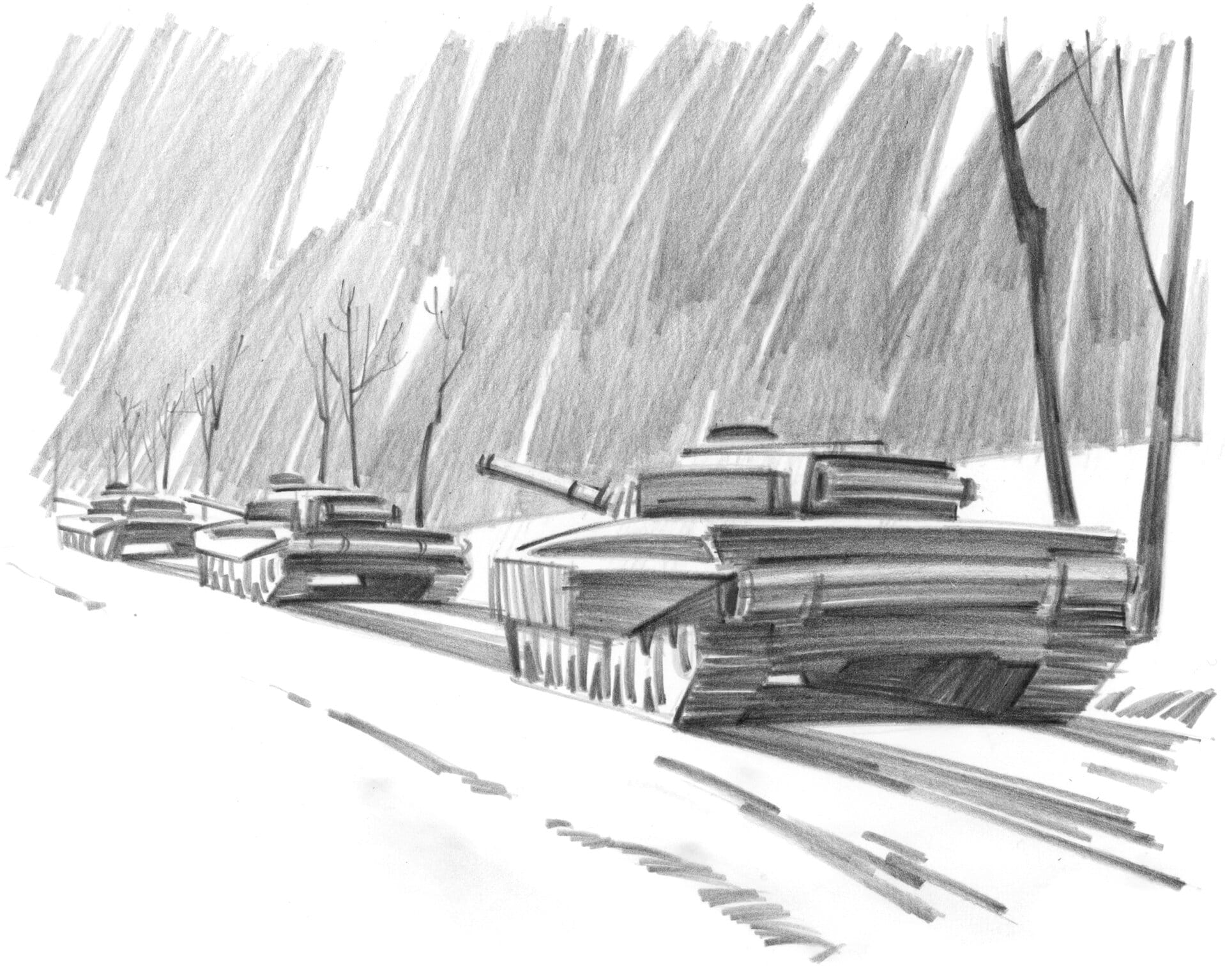
I will read anything Sarah Topol writes. It is because of writing like hers that I keep my NY Times subscription active. Her 2020 article on the Uyghurs genocide is one of the best things written on the topic, and her latest piece for the magazine is a long but rewarding account of the odyssey of one Russian deserter and his wife as they sought to escape from the war in the Ukraine.
There were a lot of news stories at the time about how terribly corrupt and underfunded the Russian military had become, but Topol's writing really brings the story home:
Pig was among the many commanders who stole state-subsidized fuel from the military and sold it on the side at the civilian market price. There were a number of methods for doing this — blatantly filling a commercial truck at a military gas station; filling a military transport, siphoning fuel from its tank to other carriers and then adding fake kilometers to trucks to explain the difference on the accounting end. Pig was also ordering his subordinates to saw wood from the base’s firing range so he could sell it. Everyone did it.
As well as the senseless bureaucracy:
The most glaring example of this was the emphasis on metrics, verified by the “photo report”: Activities had to be photographed for documentation. That meant that a commanding officer was supposed to not only do his job — run an exercise, say — but also produce a photo report about it to send to his commander the same day. The requirement covered everything from trainings to storehouse checks. There was no task more universally derided. The Soviet-era adage “We pretend to work, and they pretend to pay us” was reborn for the digital age.
We also get a sense of just how hard it was for those who wanted to leave to do so.
When I asked another man, a municipal office worker, why he hadn’t run when he was served his summons, he was dumbfounded by my question. How would I have expected that idea to even occur to him? ‘‘I work four jobs just to survive,’’ he told me. ‘‘I had never left my town. I couldn’t even afford to travel to Moscow, two hours away. Where would I have gone? And how?’’
Some may find that there is too much empathy here for the Russians soldiers, but I think Topol is careful not to pull any punches when she feels it is well deserved.
3️⃣ Sea Otter Live Camera

After sharing two long and depressing articles I feel I owe my audience a break, so here is a link to the live camera of the two sea otters living at the Toba Aquarium in Japan. May (18) and Kira (14) are old for sea otters, who generally live to about twenty in captivity, but they are two of the last three sea otters left in captivity in Japan. The third is Riro (15) who is Kira's brother and lives in another aquarium.
There are other sea otter cams out there, but since Japan is closer to Taiwan's time zone these two are more likely to be active when I am watching. I also like it because the staff regularly come in and play with or feed the otters. Fortunately my dog, Sophie, can't see TV images well enough to be jealous of how much time I spend watching May and Kira.
Endnote
❤️ Enjoying Triptych? Let your friends know! Encourage them to sign up via the Triptych website. I can't begin tell you how happy it makes me to see even one new subscriber . . .
💬 Or maybe you'd consider writing a short endorsement for the "kudos" page? You can just email it to me, or fill out this Google form.
💰 Want to ensure the long term sustainability of this newsletter? Consider becoming a sponsor. A big shout-out to my current paid subscribers. Their contributions keep this place running — and help keep me motivated.
🧧 Don't want to enter into a long term commitment, but still want to support the newsletter? You can always leave a one-time tip if you like.
🦋 Three links not enough for you? Follow me on Bluesky for all the links that don't make it to the newsletter.
Thank you!
Member discussion