
Kerim's Triptych for Sunday November 24th, 2024

Welcome 👋 to Kerim's Triptych, a free newsletter that delivers three fabulous links to your inbox, two or three times a month. (If you didn't intend to subscribe, or you don't want to receive these anymore, there is an unsubscribe link at the bottom.)
1️⃣ The Fall of Rome

"How Do You Know if You’re Living Through the Death of an Empire?" asks Patrick Wyman in a piece for Mother Jones.
The fall of an empire—the end of a polity, a socioeconomic order, a dominant culture, or the intertwined whole—looks more like a cascading series of minor, individually unimportant failures than a dramatic ending that appears out of the blue.
Looking at the example of the Roman Empire, the article suggests that things wouldn't change much for the elites, but that for ordinary people your world would become unrecognizable over the course of your lifetime. However, going from day to day you might not even notice the changes - until it is too late.
The tax collectors didn’t show up, which meant lower revenues for the provincial administration. A crumbling bridge and road never got the necessary repairs, so a formerly prosperous town was cut off from the transport network. Without revenues, pay and supplies of grain and wine never arrived for the local soldiers, who decided they would no longer carry out patrols to protect against marauders.
It is when those marauders realize there is no army anymore that things will suddenly go from bad to worse...
2️⃣ The End of Apartheid
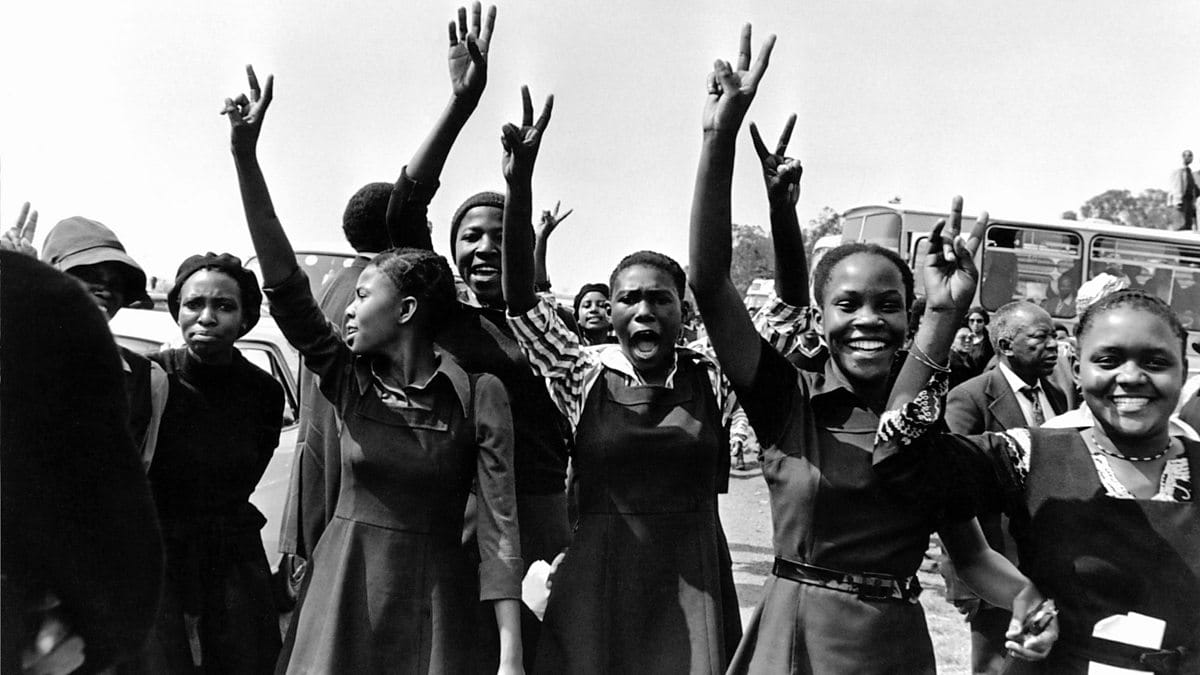
On a (slightly) more positive note, Timothy Burke explores how South African apartheid finally ended. The answer? By becoming ungovernable.
Where numbers were finally put into play was in the internal struggle after the Soweto uprising. By the 1980s, many townships and much of the Eastern Cape had become at least partially “ungovernable”, where the state could only deploy suppressive military and policing power in the face of mass unrest and otherwise lost a lot of its more quotidian administrative presence. What the ANC had imagined as a more orderly and conventional kind of Marxian overthrow without really knowing how to mobilize the masses required for that action was happening after 1976 in more emergent and grass-roots ways. Not without organization, but also not without a rigid imaginary of how party structures, doctrine and mass action should interrelate. Numbers were the central fact here: that there was more territory and way more people than a state dependent on a white minority and their hirelings could successfully keep under control.
3️⃣ Voter Despair
I've been putting off sharing any analysis of the elections to the newsletter, because too many were rushed to press without all the details, and too few had any nuance, but Joel Suarez's n+1 essay is the best thing I've read so far. And by "best," I mean it conforms to my own analysis 😜
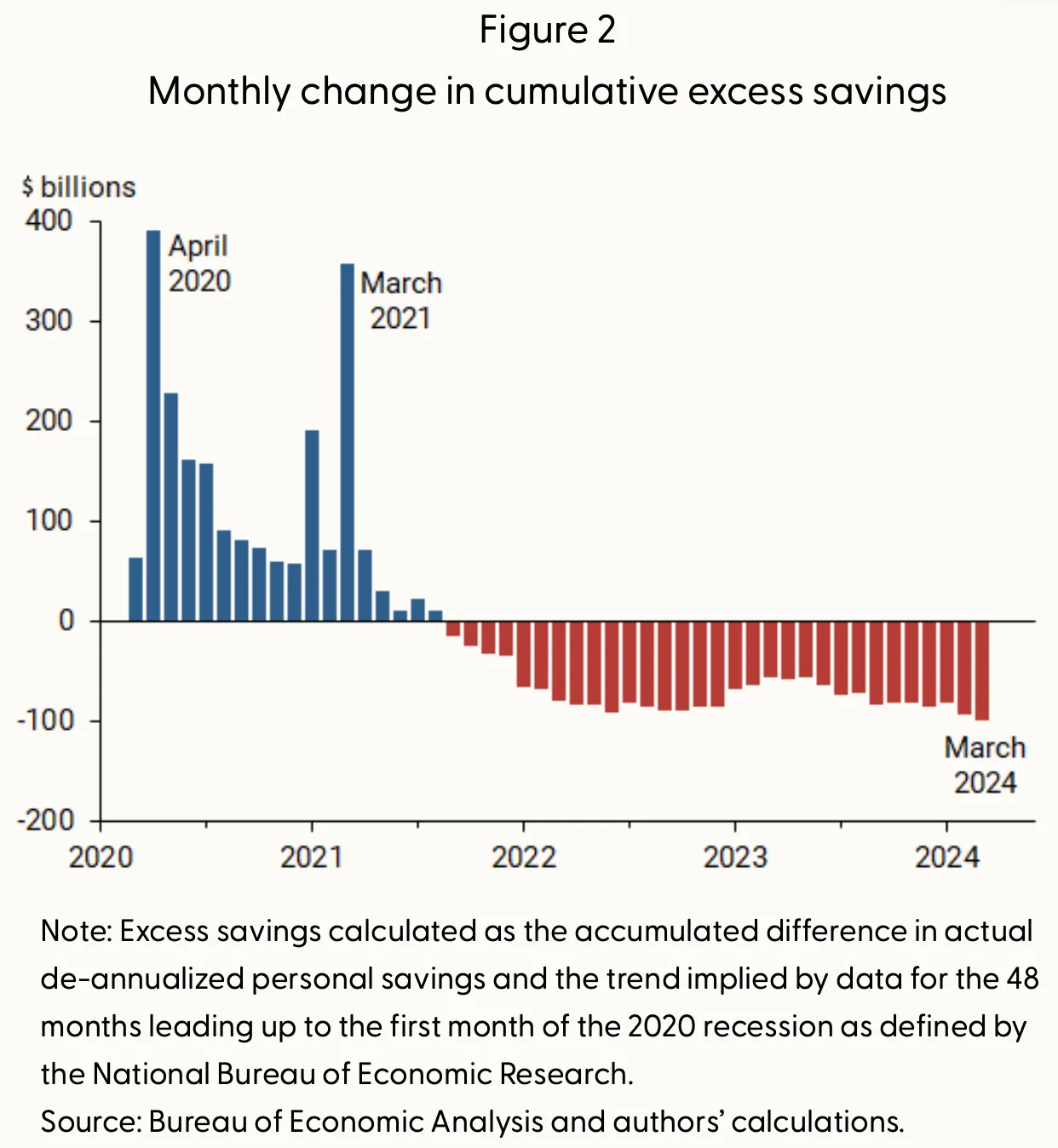
One thing that many people have difficulty describing is the mismatch between the economic indicators and the lived experience of voters. Suarez manages to capture this perfectly, something few others have managed to do. I've pulled a few more quotes than usual here in order to capture the depth of his argument:
In the months before Trump’s victory, not just elected Democrats but countless wonks and columnists were celebrating the Biden Administration’s macroeconomic successes: sustained low unemployment, strong GDP growth, falling inflation, and rising wages. This is the stuff of economists’ dreams—and as close to fulfilling labor’s long-held hope of full employment as the country has come in nearly half a century. Under contemporary US capitalism, this is about as good as it gets . . . No other developed country has emerged from the pandemic with a better record of GDP growth, inflation, and employment than the US.
. . .
But under the frothy surface, trouble was stirring. “Credit card delinquencies for the youngest households have risen sharply,” notes the Apollo report, “and are approaching rates last seen during the Global Financial Crisis.” Likewise, “people in their 30s and below are falling behind on their auto loans at a faster pace than during the pandemic,” nearing rates “almost as bad as . . . at the peak in 2008.” Even when not crushed by debt, workers simply have less money. Those making under $45,000 a year hold less in savings and checking accounts than they did before the pandemic; middle-income households are faring only marginally better.
. . .
Still other crises were hiding in plain sight. After the rollback of pandemic-era welfare measures—from expanded child tax credit, Medicaid, SNAP, and unemployment insurance benefits to eviction moratoriums—rates of homelessness and child poverty predictably resurged. Yet since this was in effect simply a return to the pre-Covid norm, it seems to have barely registered at the highest levels of the Democratic Party
. . .
The much-touted wage gains received by the bottom decile of earners appear to be only the bare minimum needed, as the cost of rent and food exploded, by more than 17 percent and 19 percent respectively from 2020 to 2023. Furthermore, even as hourly wages rose from 2021 into 2024, average weekly working hours declined. In a sense, workers are being paid more but taking home less
People often forget that inflation going down doesn't mean prices go down, just that they stop going up quite as fast. The inability of the technocratic elite to "see" what was actually happening on the ground is a big part of what went wrong with the campaign.
No, the election was not just about the economy, but the economic story was a major factor and one that hasn't been well reported. I also recommend reading the article which also includes a valuable section on organizing which I didn't have space to include here.
Endnote
❤️ Enjoying Triptych? Let your friends know! Encourage them to sign up via the Triptych website. I can't begin tell you how happy it makes me to see even one new subscriber . . .
💬 Or maybe you'd consider writing a short endorsement for the "kudos" page? You can just email it to me, or fill out this Google form.
💰 Want to ensure the long term sustainability of this newsletter? Consider becoming a sponsor. A big shout-out to my current paid subscribers. Their contributions keep this place running — and help keep me motivated.
🧧 Don't want to enter into a long term commitment, but still want to support the newsletter? You can always leave a one-time tip if you like.
🦋 Three links not enough for you? Follow me on Bluesky for all the links that don't make it to the newsletter. The newsletter also has its own Bluesky account.
Thank you!
Member discussion