
Kerim's Triptych ❧ Famine, Salt, Ocean
Welcome 👋 to Kerim's Triptych, a free newsletter that delivers three fabulous links to your inbox, two or three times a month. (If you didn't intend to subscribe, or you don't want to receive these anymore, there is an unsubscribe link at the bottom.)
1️⃣ The Persian Famine

In the May 19th, 2024 issue of Triptych I shared a BBC podcast about the 1943 Bengal Famine which killed at least three million people. At the time I had not heard of the Persian Famine which lasted from 1917 to 1919. Wikipedia gives the death toll at about two million, but the historian Dr. Mohammad Gholi Majd claims the death toll was five times as large. What really struck me in reading Pat Walsh's blog post on this were all the parallels between the two famines. In both cases the cause of the famine was not natural disaster but the British. In both cases crops were destroyed to keep them out of enemy hands. In both cases ships that could have delivered grains were diverted to military uses. In both cases local funds were withheld from going to famine relief. It is bad enough that such an atrocity should happen once under British rule, but that it should happen twice, in almost exactly the same way leaves me without words.
Walsh's post does not make these comparisons, but is focused on Dr. Majd's book, noting that it was based largely on official records:
In his book Dr Majd provides a documentary account of the famine using sources from American diplomatic dispatches, the reports of American missionaries and contemporary newspaper and eyewitness accounts on the extent of the suffering and starvation. He also uses the memoirs of British military officers such as Maj. General Dunsterville, commanding officer of the British ‘Dunsterforce’ in Persia and Maj. Gen. Dickson, Inspector General of the East Persia cordon during 1918-19.
Later he notes that Dr. Majd had "had great difficulty in getting his book published" in the US, while "documents from the British War Office relating to the occupation and famine are still being withheld from scholars by today’s Government in Westminster." This history needs to be more widely known and understood.
2️⃣ Salt and Paper
In the October 6th, 2024 issue of Triptych I shared Nathan Thrall's award-winning book, A Day in the Life of Abed Salama: Anatomy of a Jerusalem Tragedy commenting that
What I found especially powerful about the book was how ethnographic it was. In telling the stories of people's ordinary lives he lays bare the workings of the Apartheid state.
The anthropology blog, Sapiens (which is unfortunately going to shut down), has another such ethnographic account. CUNY graduate student Thayer Hastings interviews Palestinian visual artist Yazan Khalili about the "quieter, bureaucratic means to displace and dispossess Palestinians living in East Jerusalem" which preceded the current genocide in Gaza.
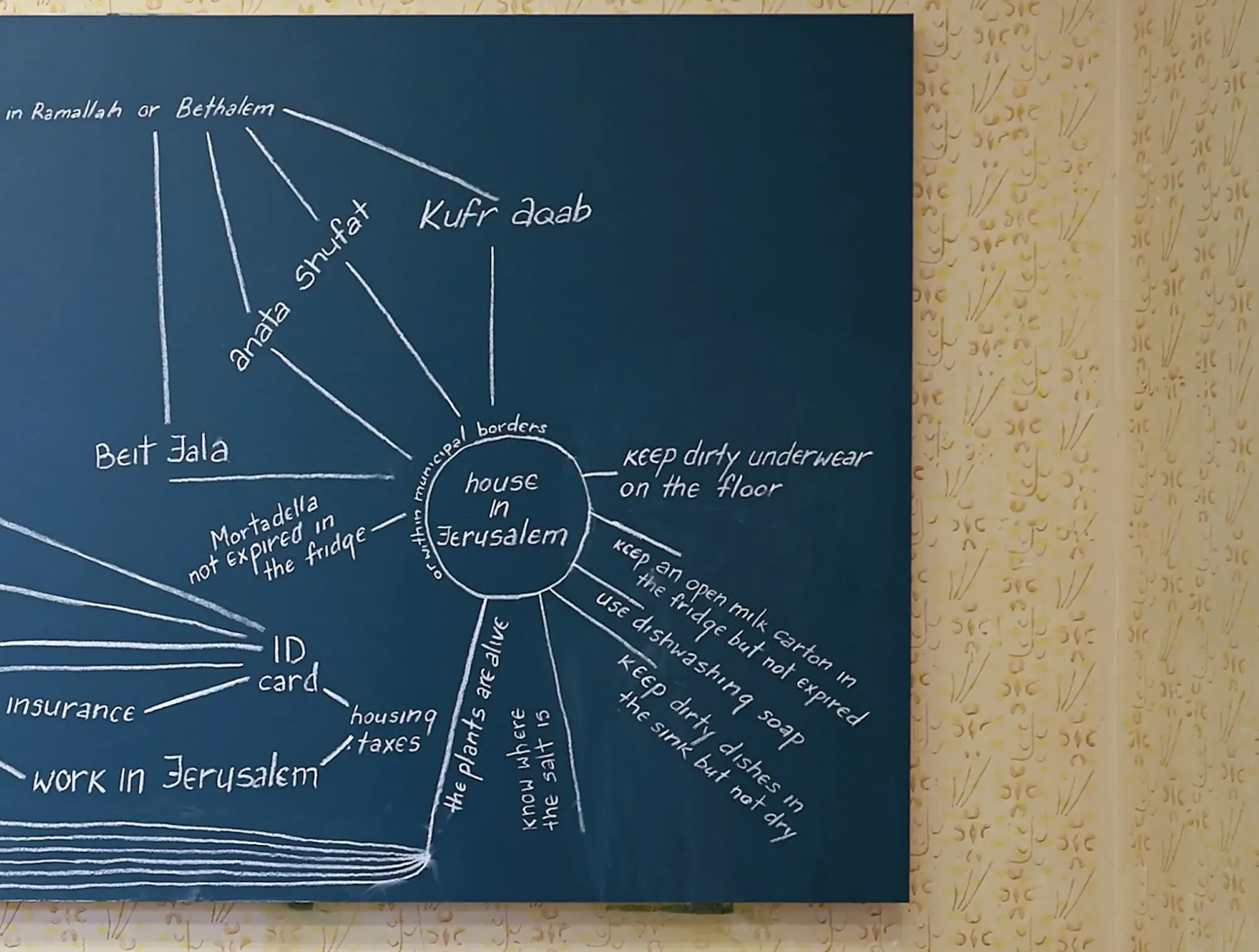
One day, a pair of inspectors arrives at their door. On this occasion, one of the first questions they ask is: “Where do you keep the salt and spices?”
. . . if Palestinians from Jerusalem (Jerusalemites) fail to provide sufficient evidence that they live in the city, authorities may revoke their residency status—threatening their access to Jerusalem and their homeland, Palestine, altogether.
He notes that
despite being Indigenous to Palestine and the city, Palestinian Jerusalemites are not citizens. . . Israel unilaterally declared sovereignty over East Jerusalem and formalized it through annexation in 1980.
Starting in 1995, Israel formalized this policy and began implementing new regulations and administrative tactics to revoke residencies of Palestinians in Jerusalem en masse. This “quiet deportation” policy has resulted in over 14,000 displaced from the city and Palestine in general.
Once their residence is revoked they are also removed from the population registry, no longer able to return.
To attempt to avoid displacement, many Palestinians in the city produce paper trails of their everyday lives as they conduct them in Jerusalem. During my fieldwork, people told me they maintain files of rental contracts and utility bills, a GPS log to confirm where they sleep at night, and even ephemera like grocery receipts and school projects. On multiple visits with families in Jerusalem, parents told me about how inspectors checked the date of their children’s homework. The implication was that if the date was not current enough, it could count against them.
3️⃣ Ocean Depths
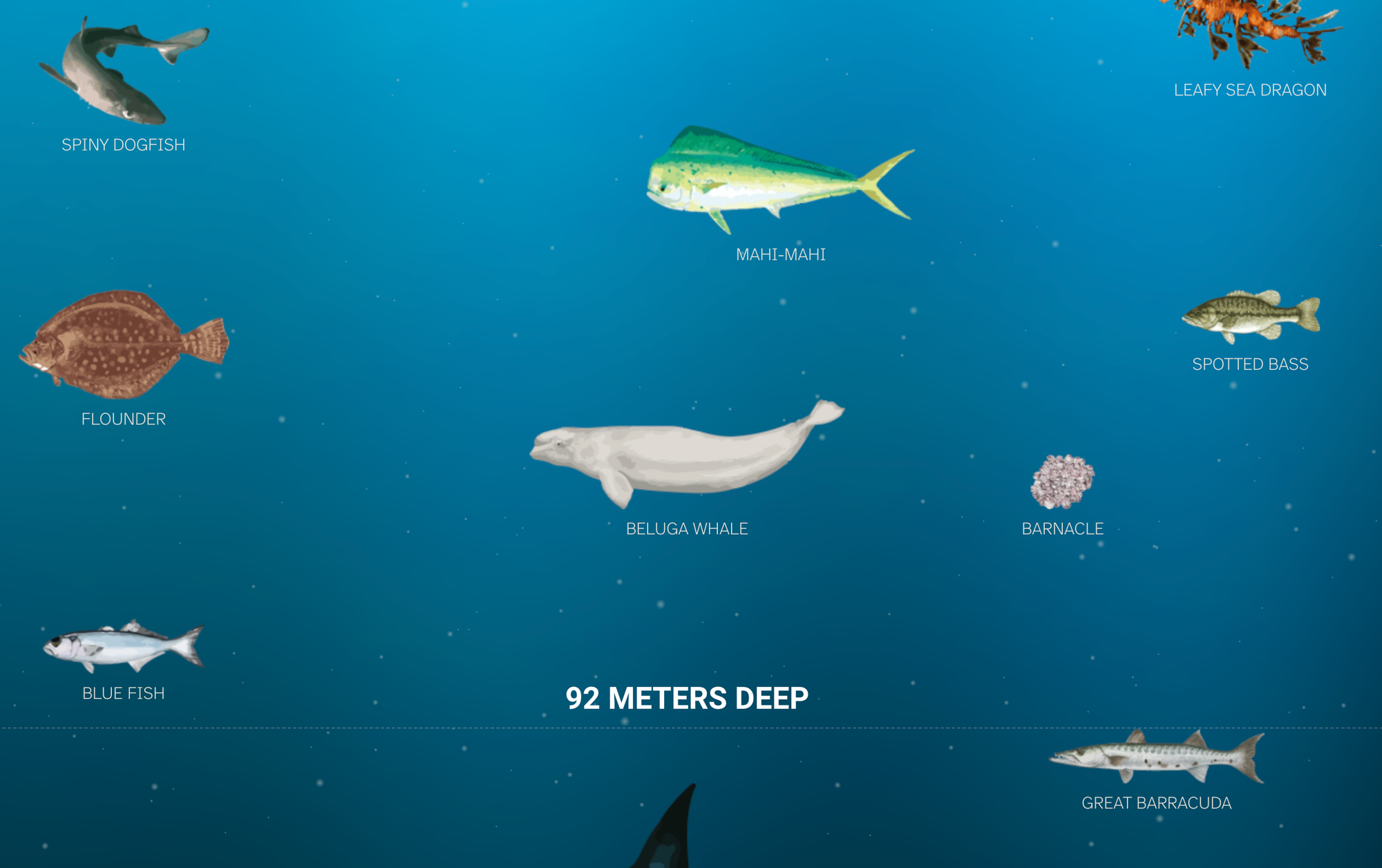
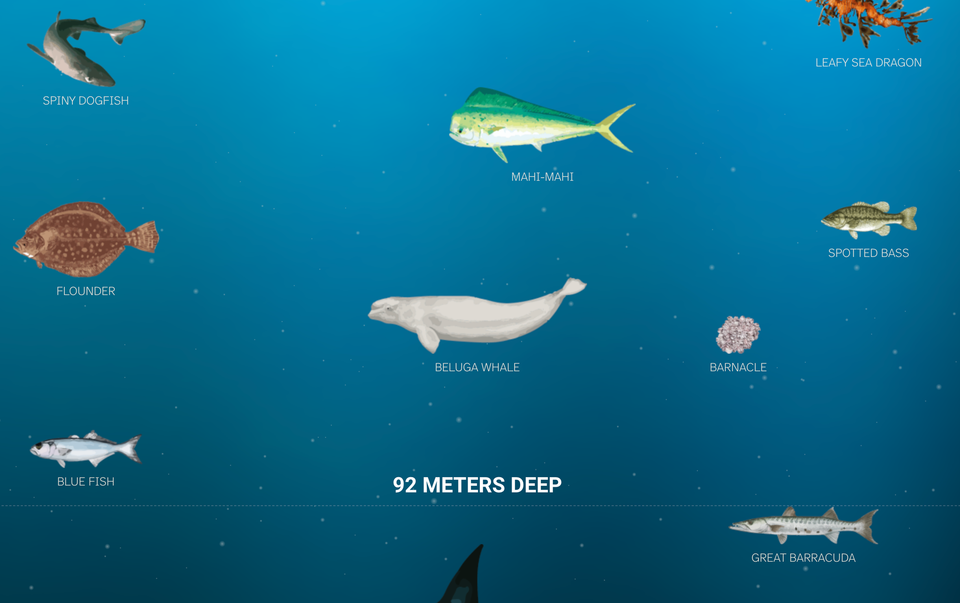
On a lighter note, I really loved the interactive website The Deep Sea, by Neal Agarwal. You just keep scrolling and scrolling down and it shows you what sea life you will find at that depth, as well as some human artifacts.
Endnote
❤️ Enjoying Triptych? Let your friends know! Encourage them to sign up via the Triptych website. I can't begin tell you how happy it makes me to see even one new subscriber!
💬 Or maybe you'd consider writing a short endorsement for the "kudos" page? You can just email it to me, or fill out this Google form.
💰 Want to ensure the long term sustainability of this newsletter? Consider becoming a sponsor. Sponsorship helps pay for my hosting costs as well as the newspaper and journal subscriptions which, in turn, allow me to provide "gift links" to all subscribers. A big shout-out to my current paid subscribers, you help keep me motivated!
🧧 Don't want to enter into a long term commitment, but still want to support the newsletter? You can always leave a one-time tip if you like.
🦋 Three links not enough for you? Follow me on Bluesky for all the links that don't make it to the newsletter. The newsletter also has its own Bluesky account.
Thank you!
Member discussion