Kerim's Triptych ❧ Ambiguity, Muskism, Dancing Girl
Welcome 👋 to Kerim's Triptych, a free newsletter that delivers three fabulous links to your inbox, two or three times a month. (If you didn't intend to subscribe, or you don't want to receive these anymore, there is an unsubscribe link at the bottom.)
If you enjoy Triptych, please tell a friend about it. Thanks!
1️⃣ Ambiguity
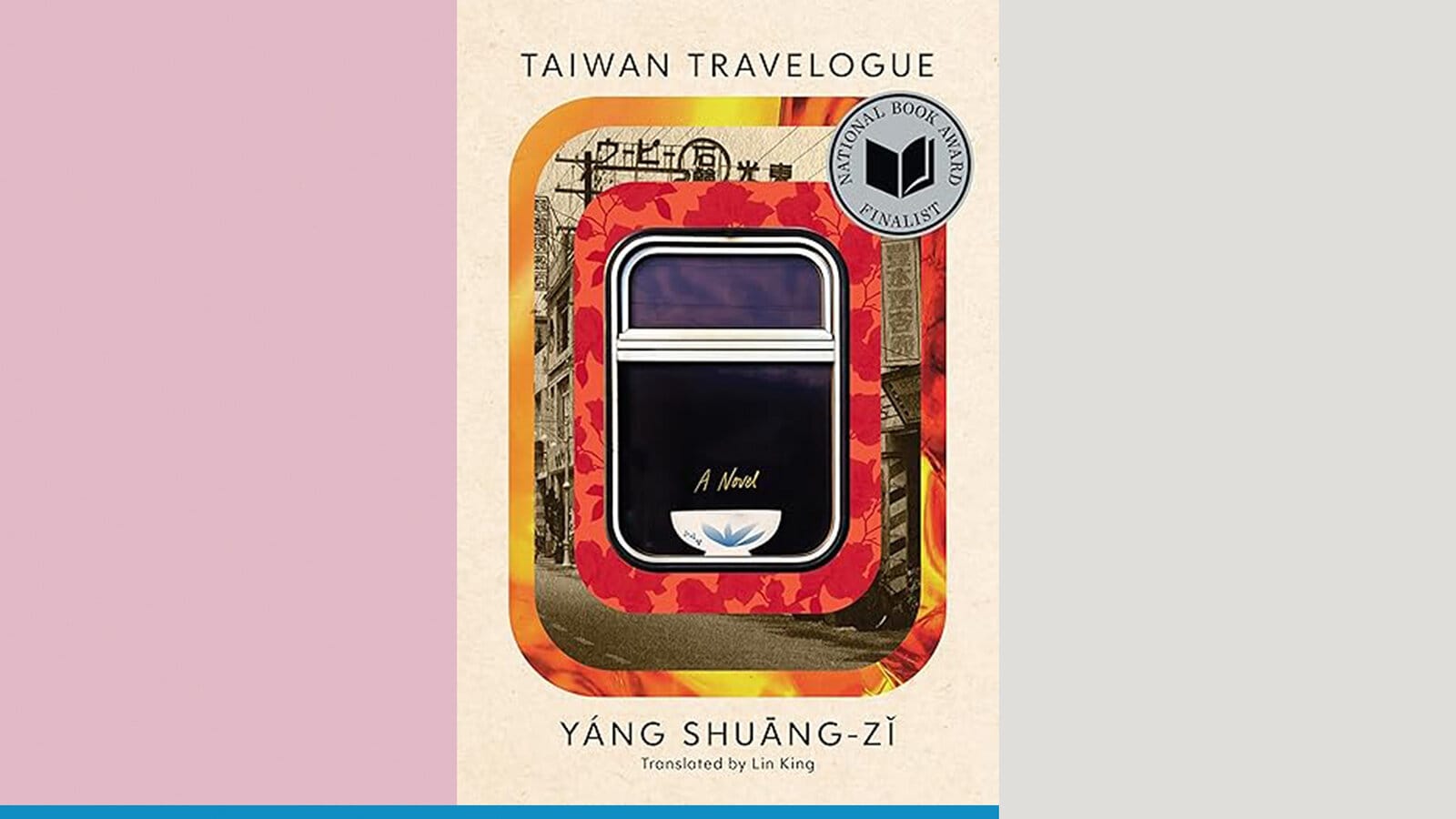
I was asked to participate in a forum, hosted by Positions/Praxis, discussing the question "What is a Left Position on Taiwan?" For my entry, I used the Booker Prize-winning historical romance novel Taiwan Travelogue to talk about the concept of "strategic ambiguity": what it is, what it meant for Taiwan, why it is no longer viable, and what needs to happen next.
I want to highlight one of the points I make in that essay, as I feel it is often overlooked by the Western media: the "China" Taiwanese first wanted to be "independent" of was not the PRC, which never had any political power in Taiwan, but the ROC dictatorship that was oppressing them.
This was the Cold War as ordinary Taiwanese experienced it. Not as some grand geopolitical chess game between the US and China, but as a brutal dictatorship that justified its rule by pretending to still be at war with China, decades after real hostilities had ended. Taiwanese sought independence from this imaginary China conjured up by the KMT, not the People’s Republic of China (PRC), which has never ruled Taiwan. Taiwanese wanted freedom of expression, democratic elections, the right to speak their own languages, and the right to learn about their own history. (China-centric school textbooks spent more time teaching about railways in China than about local history.)
They wanted all of that, and they got it. Nobody gave it to them. They fought for it, putting their bodies on the line. They got rid of the Ten Thousand Year Parliament, ended the war with China and, when the KMT was finally voted out of power in 2016, Taiwan’s first female President, Tsai Ing-wen, established a Transitional Justice Commission to shed light on their crimes, and an Ill-gotten Party Assets Settlement Committee to strip them of some of the tremendous wealth they had stolen.
The other essays in the form are well worth your time as well. Did you know that Ho Chi Minh was imprisoned by Chiang Kai-shek for 18 months and wrote poetry in jail?!
2️⃣ Muskism
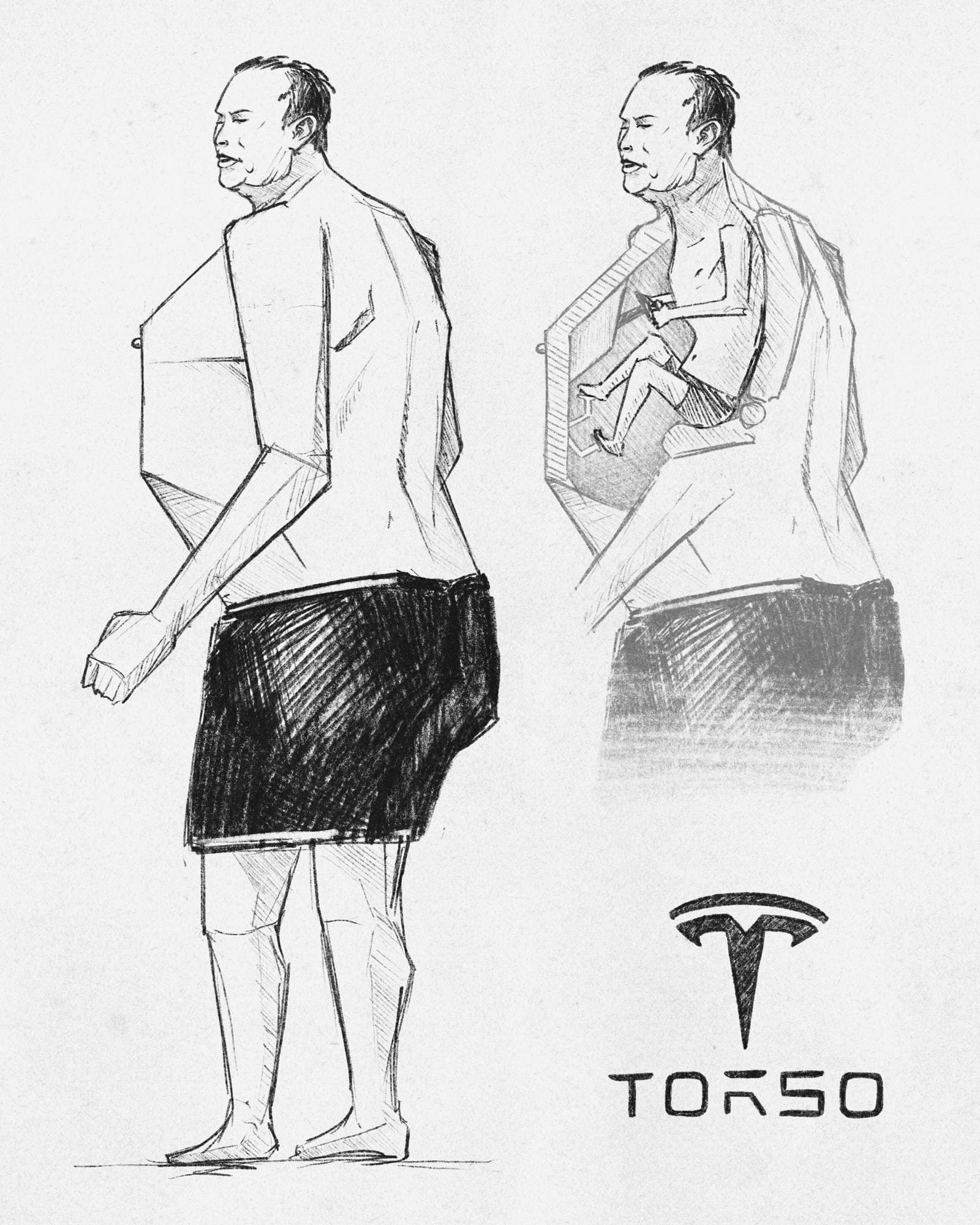
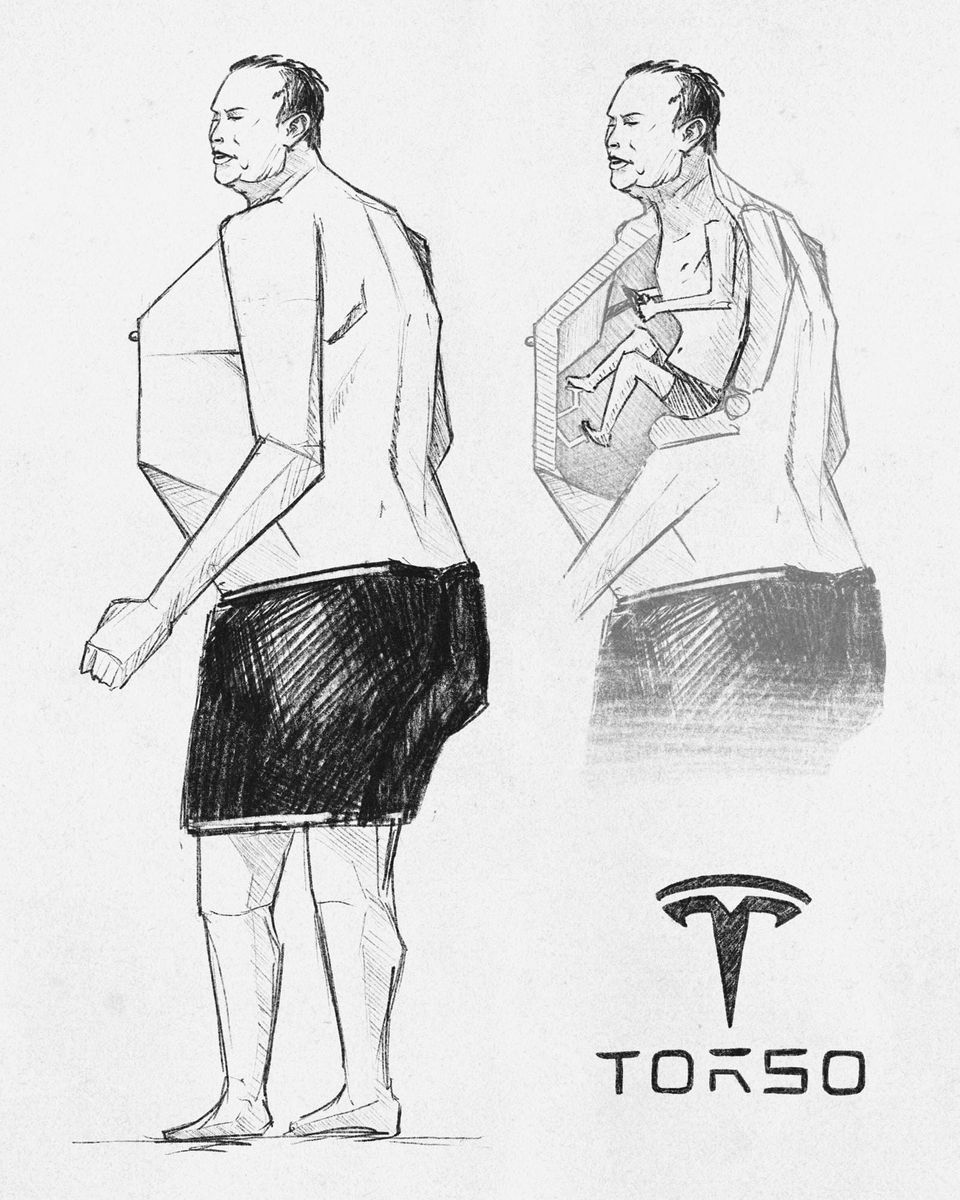
I haven't read Quinn Slobodian and Ben Tarnoff's Muskism: A Guide for the Perplexed, but after listening to this podcast interview with them on Bungacast, I think I should. They see in "Muskism" something akin to "Fordism" which heralded widespread changes in manufacturing and society during a previous era.
One thing that separates Muskism from Fordism, is is its anti-humanism. This is both in terms of Musk's attempts to have manufacturing without human workers:
a so-called dark factory, what Musk has described as an alien dreadnought, where robots are running around the clock and there's not a human to be seen. Now it's important to note that this is an aspiration, not a reality. In the past Musk has attempted to automate too much and has had to actually pull back and rip robots out and bring the humans back. So this is a vision, maybe a direction of travel, but is also something that he often encounters friction on the way to realizing. But it's certainly something that that he wants to see is a productive process that is purged uh of humans. And you achieve that with blue-collar work with industrial robots. You achieve that with white-collar work with large language models of the kind that his company XAI is producing.
But also in terms of modifying humans to interface better with machines, creating cyborgs:
This is a term he uses himself all the time. Cyborgs, cybernetic collectives. So if Muskism envisions on the one hand the purging of human workers from the productive process, on the other hand, it imagines the augmentation of the human body by neural implants, by various types of cybernetic instruments in a kind of cyberpunk imaginary. And the deepening integration with networked forms of intelligence. So think about X integrated with Grok that's plugged into your brain via a Neuralink implant and is accessible anywhere on the Earth's surface because it's beamed directly from Starlink. That's that's a kind of muskist endgame of what the types of cyborg life that he would like to produce would look like.
What I found particularly fascinating, however, was how this move towards post-humanism explains Musk's obsession with "woke" ideology:
And crucially, the last point I would make here, because the stakes are so high for him in terms of this cyborg synthesis, because the risk of contamination is so great Because as we integrate with the machines, the risk of infection from bad ideas like the woke mind virus is so severe, it's critical that Musk himself controls the interfaces where this integration, where this fusion is taking place, such that the correct kind of cyborgs are created.
3️⃣ Dancing Girl
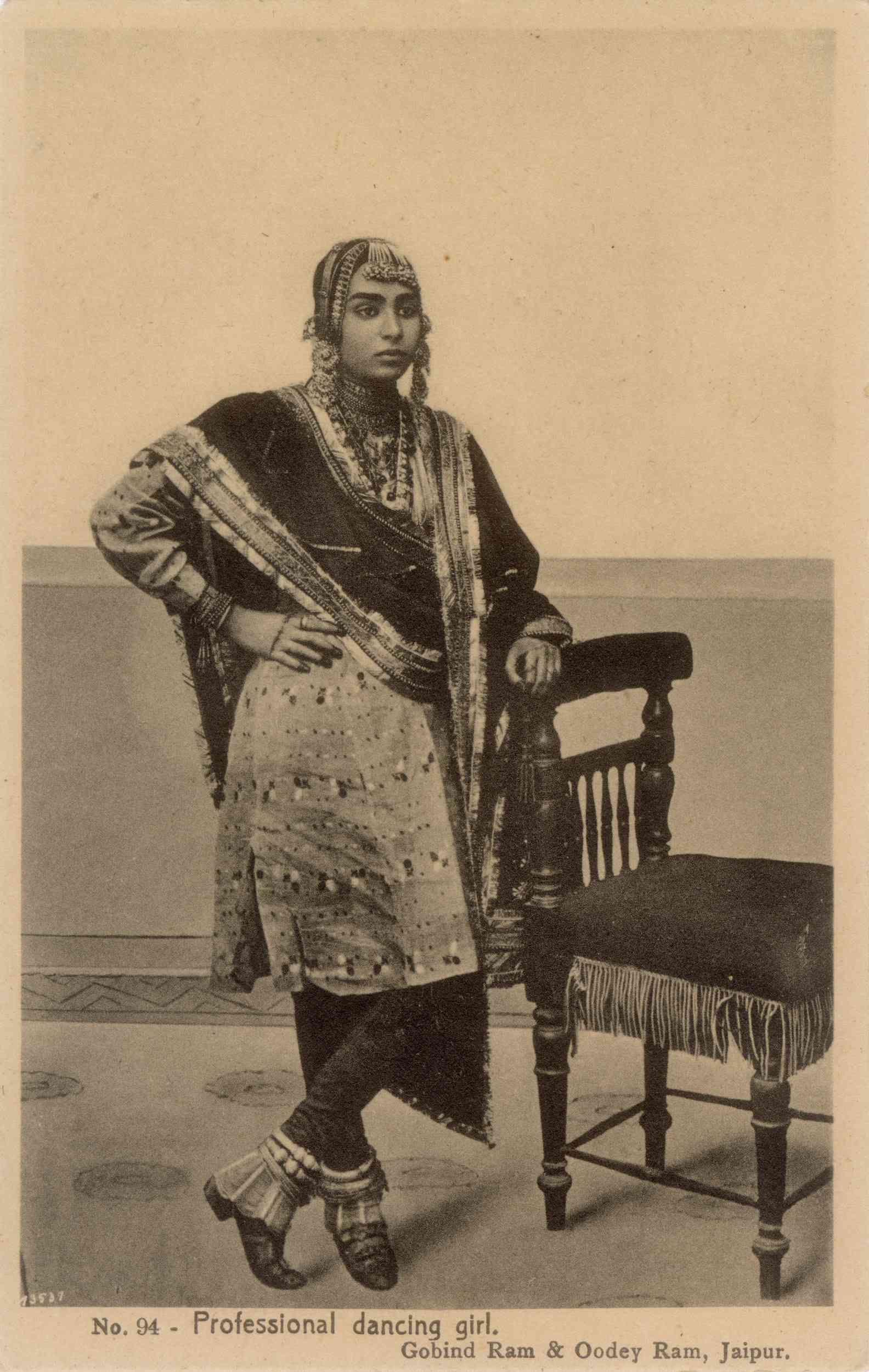
A four-thousand-year-old bronze statue from Mohenjo-daro caused some controversy in India recently when a school textbook edited the photo to make the nude girl look like she was wearing a darkly colored dress. In a photo-essay for Scroll, Omar Khan looks at the colonial history of Nautch girl postcards from India and how attitudes towards such dancing girls have influenced how people understand the subcontinent's pre-history. From the conclusion of the essay:
In the 1920s, during excavations at the ancient Indus city of Mohenjo-daro, which pushed Indian history back some two millennia with the discovery of an unknown Bronze Age civilisation, a 10-cm bronze figurine with bangles and the same hand-on-hip pose was found. She was termed ‘the dancing girl’ shortly after being unearthed.
Whether rightly or not, the female nautch tradition was now read back into India’s earliest history. It may well be that this dancer’s pose has persisted for 4,000 years, it may also be that media like postcards and film – the first nautch women appeared in Indian cinema in 1914 – had so imprinted the pose into public consciousness that the statuette had no option but to be given this name.
Endnote
❤️ Enjoying Triptych? Let your friends know! Encourage them to sign up via the Triptych website. I can't begin tell you how happy it makes me to see even one new subscriber!
💬 Or maybe you'd consider writing a short endorsement for the "kudos" page? You can just email it to me, or fill out this Google form.
💰 Want to ensure the long term sustainability of this newsletter? Consider becoming a sponsor. Sponsorship helps pay for my hosting costs as well as the newspaper and journal subscriptions which, in turn, allow me to provide "gift links" to all subscribers. A big shout-out to my current paid subscribers, you help keep me motivated!
🧧 Don't want to enter into a long term commitment, but still want to support the newsletter? You can always leave a one-time tip if you like.
🦋 Three links not enough for you? Follow me on Bluesky for all the links that don't make it to the newsletter. The newsletter also has its own Bluesky account.
Thank you!
Member discussion