
Kerim's Triptych ❧ After Khamenei, End of the Petrodollar, War at Home
Welcome 👋 to Kerim's Triptych, a free newsletter that delivers three fabulous links to your inbox, two or three times a month. (If you didn't intend to subscribe, or you don't want to receive these anymore, there is an unsubscribe link at the bottom.)
If you enjoy Triptych, please tell a friend about it. Thanks!
1️⃣ After Khamenei
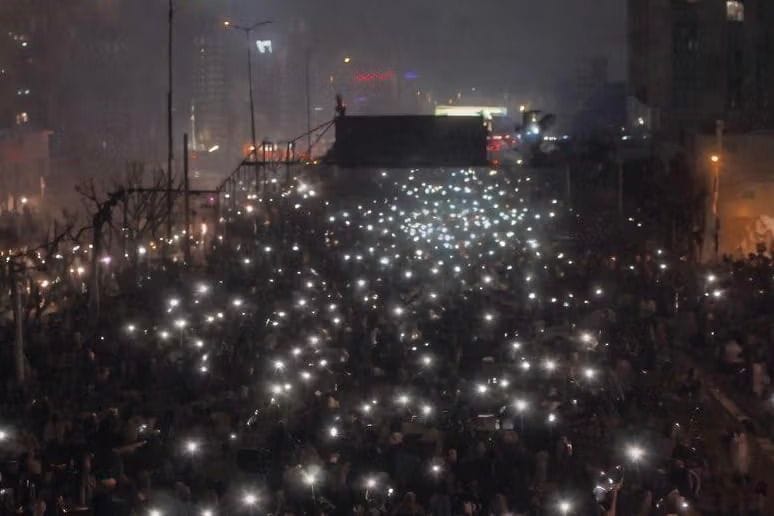

I found this interview with sociologist Asef Bayat on Iran After Khamenei (published in the Boston Review) to be quite useful for understanding the present moment from an Iranian perspective, especially his discussion of what makes the recent wave of protests (before the war), different:
First, it was triggered by protests from a segment of bazaar merchants in Tehran, who were hit hard by the sharp drop in the value of the Iranian currency. Shopkeepers found themselves unable to price their goods, effectively making trade impossible. This protest was unprecedented in the history of the Islamic Republic, especially given the traditionally close relationship between the bazaari and the clerical class. . . .
Second, the protests were cross-class in nature. They included not only the globalized rich, whose business interests and lifestyles clashed with the clerical regime’s ideology and economic policies, but also the poor, whose daily struggle to maintain a dignified life is hindered by the regime’s rigid policies that prioritize grand military and nuclear sectors over the welfare of its subaltern citizens. According to the Tehran-based daily Shargh, the purchasing power of working-class Iranians today is only a third of what it was ten years ago . . .
Third, although precise figures are unavailable, eyewitness accounts confirm that the size of the crowds this time surpassed any previous protests. Fourth, while the protests were initially sparked by economic concerns, their focus quickly shifted to calls for the overthrow of the regime itself. . . And finally, the mood of this uprising was influenced by last year’s twelve-day conflict with Israel, which fueled the belief that a targeted foreign (particularly U.S.) strike could decapitate the regime and potentially open a new political horizon for Iran. This idea has gained traction among a significant portion of the population and is actively promoted by the monarchist movement, led by Reza Pahlavi, the exiled son of the Shah deposed in 1979. Pahlavi has now gained unprecedented support and has become the dominant force within the opposition for the first time.
And he touches on the ethnic composition of the protests as well:
this uprising saw more limited participation from diverse communities such as Kurds, Baluchis, Azeris, and Arabs. These groups largely stayed away, perceiving the protests as dominated by monarchist factions.
2️⃣ End of the Petrodollar?
Laleh Khalili's Democracy Now interview is also quite useful. One of the world's leading experts on maritime infrastructure in the Middle East, she has a lot to say about the Strait of Hormuz. But what especially caught my attention are the two ways in which the current crisis is benefiting China. On the one hand, Iran is allowing a small percentage of ships through if they agree to trade in renminbi instead of dollars. And also because China has already invested heavily in wind and solar (and also nuclear, though she doesn't mention that), all of which will benefit from rising oil prices.
3️⃣ War at Home
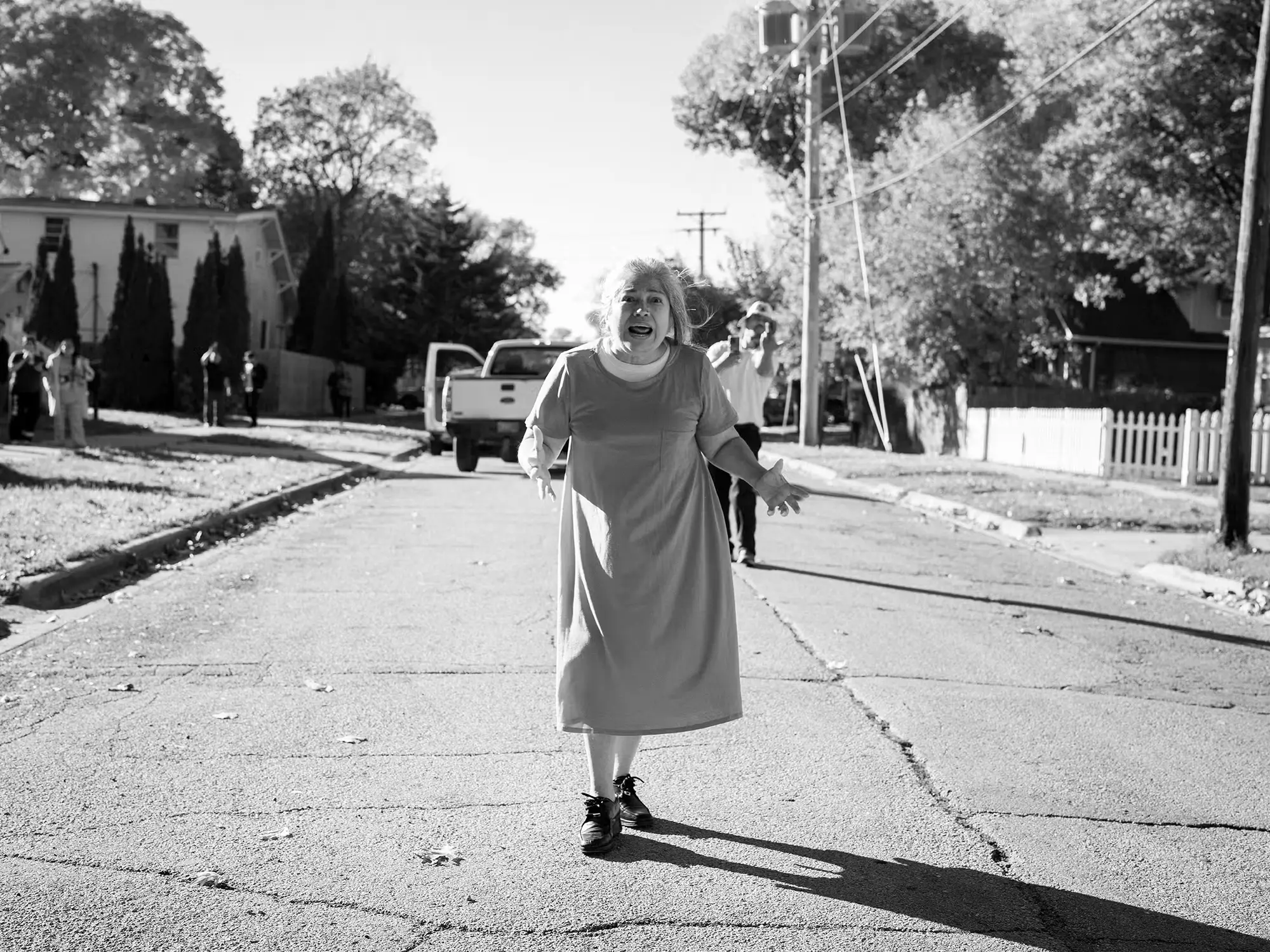
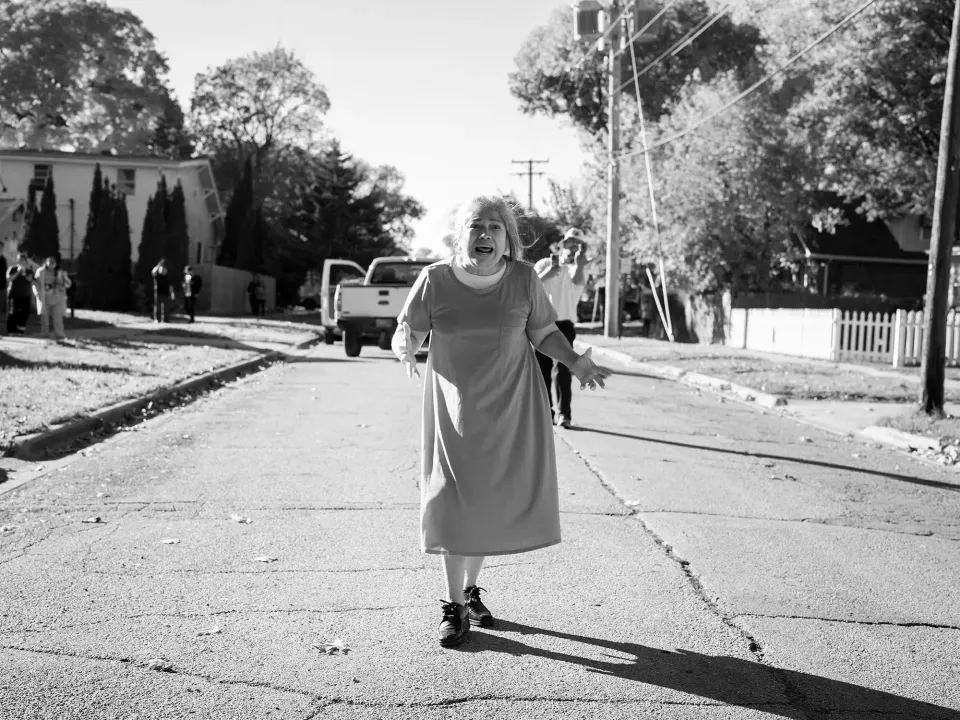
Last winter, Hammer & Hope published this photo essay by photojournalist Ashley Gilbertson, who "followed federal immigration agents in Chicago, New Orleans, and New York City as they cased parking lots and tree-lined streets and occupied court buildings, rounding people up."
Endnote
❤️ Enjoying Triptych? Let your friends know! Encourage them to sign up via the Triptych website. I can't begin tell you how happy it makes me to see even one new subscriber!
💬 Or maybe you'd consider writing a short endorsement for the "kudos" page? You can just email it to me, or fill out this Google form.
💰 Want to ensure the long term sustainability of this newsletter? Consider becoming a sponsor. Sponsorship helps pay for my hosting costs as well as the newspaper and journal subscriptions which, in turn, allow me to provide "gift links" to all subscribers. A big shout-out to my current paid subscribers, you help keep me motivated!
🧧 Don't want to enter into a long term commitment, but still want to support the newsletter? You can always leave a one-time tip if you like.
🦋 Three links not enough for you? Follow me on Bluesky for all the links that don't make it to the newsletter. The newsletter also has its own Bluesky account.
Thank you!
Member discussion