
Kerim's Triptych ❧ Monkey House, Rockwell Thanksgiving, Flying Enterprise
Welcome 👋 to Kerim's Triptych, a free newsletter that delivers three fabulous links to your inbox, two or three times a month. (If you didn't intend to subscribe, or you don't want to receive these anymore, there is an unsubscribe link at the bottom.)
If you enjoy Triptych, please tell one friend about it.
1️⃣ The Monkey House
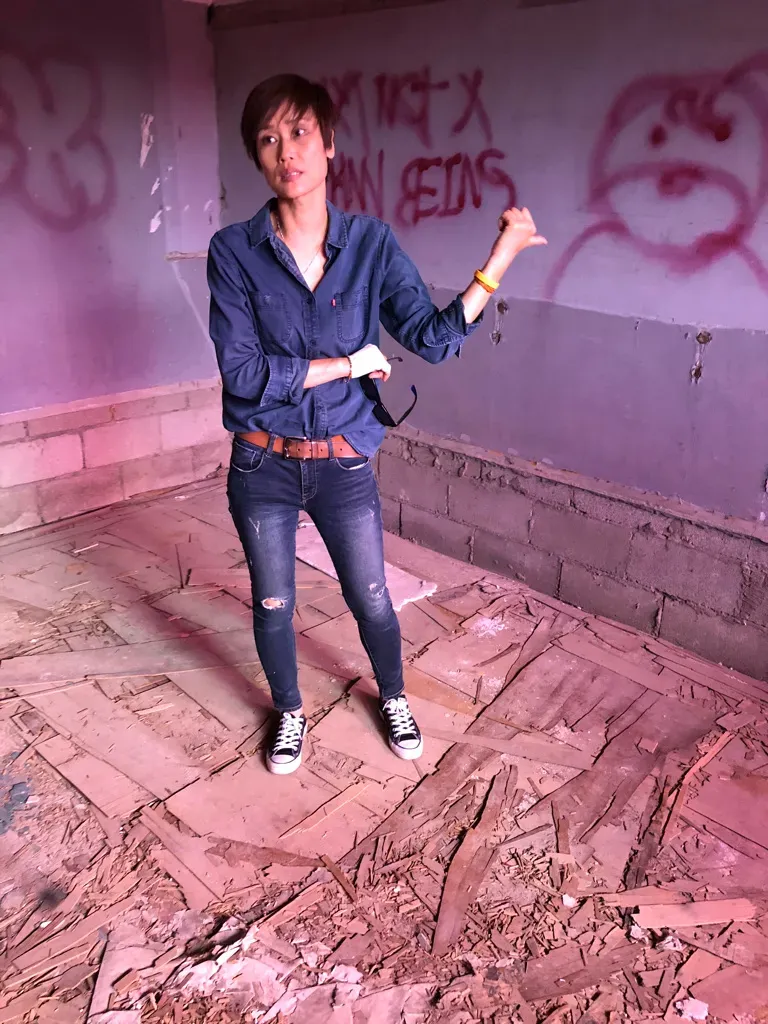
Kijichon ("camp towns") were red light districts that served US soldiers in the Demilitarize Zone (DMZ) after the Korean War. "At the peak of U.S. troop strength in the 1980s, the kijichon economy contributed 5 percent of South Korea’s gross domestic product."
I'd heard about the impact of Kijichon before, but from reports that emphasized the agency of the women involved, some of whom migrated to the US and did the same work near US bases there. Tim Shorrock's 2019 report on the "Monkey House," however, makes it clear that not all of the women involved in such work had this kind of agency.
The Monkey House was a virtual prison for sex workers. It was built during a series of camp-town “cleanup” campaigns first launched by the South Korean government and the Pentagon in the 1960s. Their object was to ensure the sexual hygiene of American troops; rates of venereal disease among the GIs in South Korea were then far above the norm for American military installations in Japan and Europe. (In June 1971, a U.S. Army study found that 568 out of every 1,000 soldiers in Korea were infected with VD, compared to 111 per 1,000 worldwide.) Korean and U.S. security forces combed through the towns searching for women suspected of carrying STDs. Once in custody at the Monkey House, the women were inspected, shot up with penicillin supplied by the U.S. military, and confined inside its walls until they were “cured.” Then they were sent back to service their American customers.
Now, it seems, there are plans to demolish that building, as well as a struggle to keep it as a museum and memorial to a history that many would like to see forgotten. Check out Tim Shorrock's Substack for a series of posts from his recent visit to the Monkey House, and the movement to preserve it.
2️⃣ A Norman Rockwell Thanksgiving
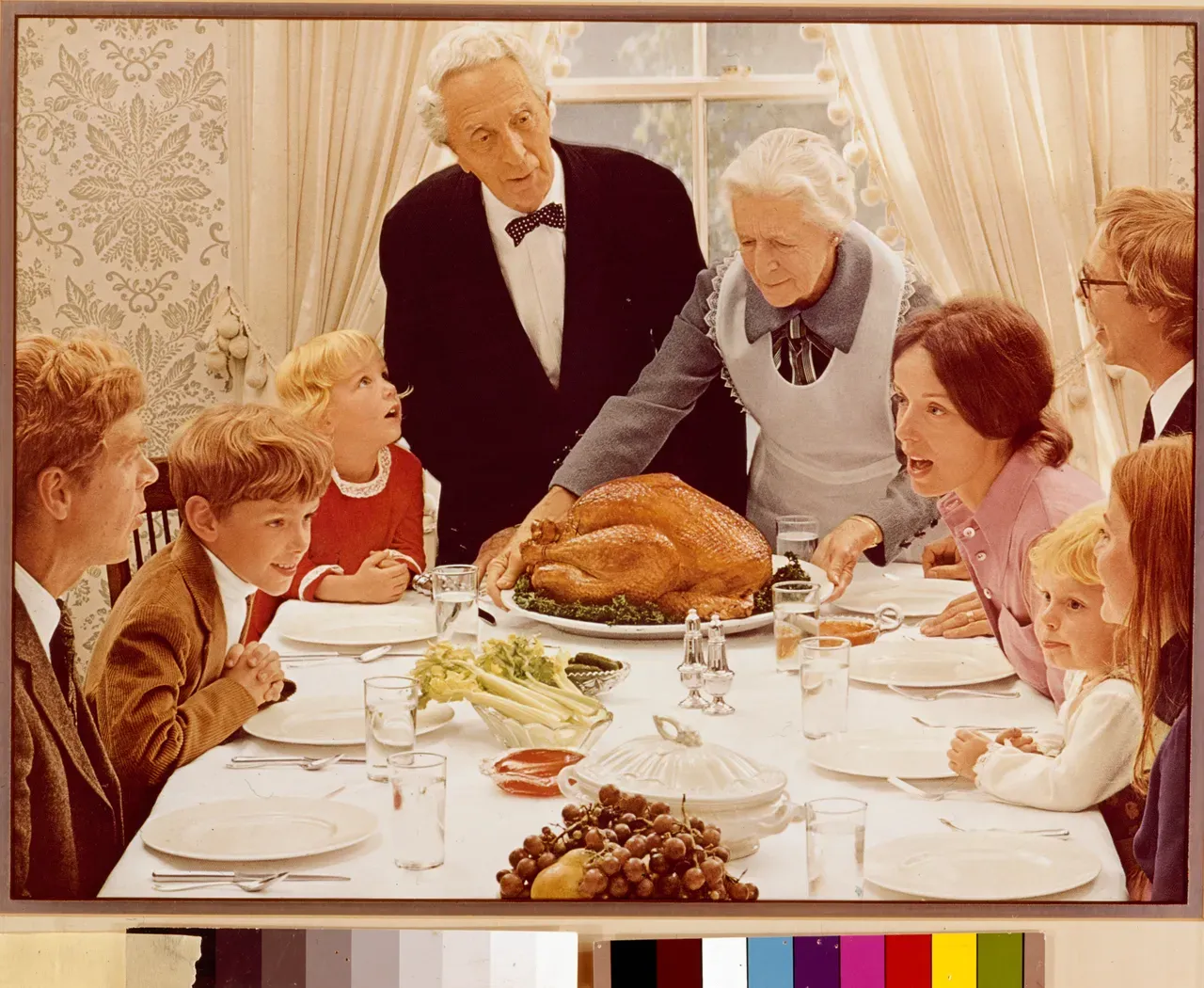
I'm a bit late with this one, but Daisy Rockwell's writing is always so delightful that I think it is worth reading any time of the year. She talks about what it was like having Thanksgiving dinner with her famous grandfather.
Family togetherness was something he excelled at portraying on canvas: heartwarming tableaux of family members for which numerous unrelated neighbors and townspeople he had spotted around Arlington, Vermont, had posed.
But for Daisy, and her mother, the reality was quite different:
When I was five, my parents divorced amicably. Soon afterward, my mother was summarily banished from The Perfect Norman Rockwell Thanksgiving. It had never occurred to her that such a banishment would take place, but of course there was no room for exes at such a table. To be honest, she should have seen it coming.
3️⃣ The Flying Enterprise
My friend Ryan Ho Kilpatrick wrote the script for this dramatic YouTube documentary about the captain of a sea freighter who valiantly tried, and ultimately failed, to save his ship.
So why on earth was the world so enraptured with Carlson's saga? Well, consider the times. It was 7 years since the end of the Second World War. That apocalyptic struggle against an unambiguous evil. Decades of more war lay ahead, but the Cold War was a different beast. That was an age of secrets, spies, and subterfuge, double agents, and defectors. Maybe the public was sick of learning about the nuclear Bomb. Maybe they just wanted some good old-fashioned heroics. In Carlson's battle against the very sea itself, there could be no doubt who was the good guy. No blurred lines between courage and cruelty. Unlike others of his generation, Carlson wasn't a war hero. He was a hero without bloodied hands. He'd saved everyone and killed no one. He was a simple hero for an increasingly complicated and morally ambiguous age.
Endnote
❤️ Enjoying Triptych? Let your friends know! Encourage them to sign up via the Triptych website. I can't begin tell you how happy it makes me to see even one new subscriber!
💬 Or maybe you'd consider writing a short endorsement for the "kudos" page? You can just email it to me, or fill out this Google form.
💰 Want to ensure the long term sustainability of this newsletter? Consider becoming a sponsor. Sponsorship helps pay for my hosting costs as well as the newspaper and journal subscriptions which, in turn, allow me to provide "gift links" to all subscribers. A big shout-out to my current paid subscribers, you help keep me motivated!
🧧 Don't want to enter into a long term commitment, but still want to support the newsletter? You can always leave a one-time tip if you like.
🦋 Three links not enough for you? Follow me on Bluesky for all the links that don't make it to the newsletter. The newsletter also has its own Bluesky account.
Thank you!
Member discussion