
Kerim's Triptych ❧ Devy Sir, Cheapflation, Mao
Welcome 👋 to Kerim's Triptych, a free newsletter that delivers three fabulous links to your inbox, two or three times a month. (If you didn't intend to subscribe, or you don't want to receive these anymore, there is an unsubscribe link at the bottom.)
1️⃣ Devy Sir
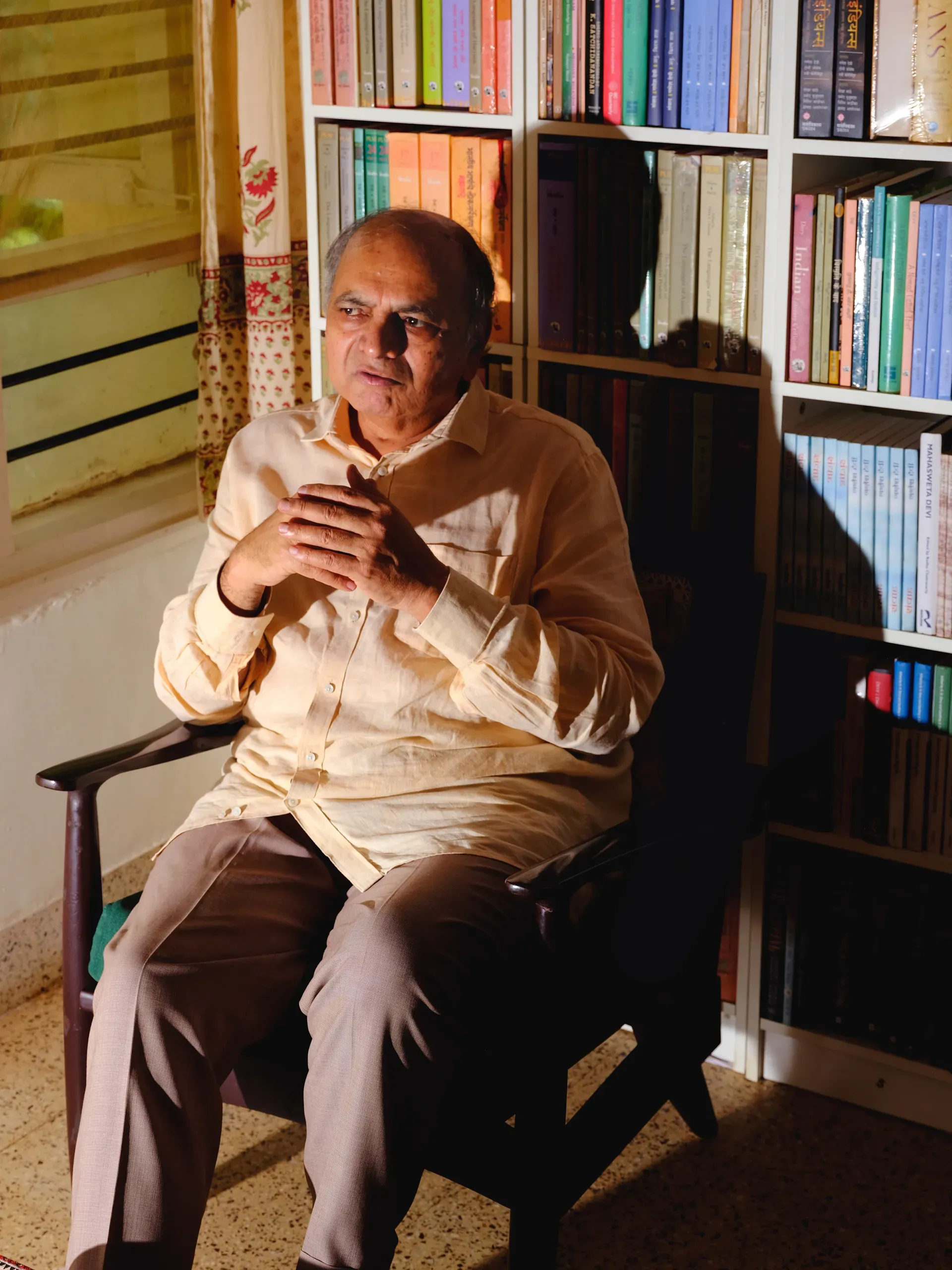
It is only towards the end of Samanth Subramanian's New Yorker profile of Ganesh Devy that I began to recognize the man who has had such a profound influence, not just on my life, but also on that of so many other people I know. The members of Budhan Theatre, the subject of two films Shashwati and I made together between 2006 and 2011, call him "Devi Sir." He, along with Mahasweta Devi and Laxman Gaikwad, had founded the Denotified and Nomadic Tribes Rights Action Group (DNT-RAG) in 1998, and it was their visit to Chharanagar which had led to the decision to form a theater troupe. Since then, he has been a constant source of guidance and inspiration to them.
He also helped found the Adivasi Academy in Tejgadh. Adivasis are India's Indigenous peoples. When I visited Devy's office, there was a chart showing the lunar cycles because when the academy first started they would meet by a tree under the moonlight. Now it is a large campus with a library, clinic, and dormitories. I once wrote a paper about the "oral magazine," Dhol, produced by the academy. It is a printed magazine, but also oral because it would be read aloud to the assembled villagers, few of whom are literate.
Subramanian's article focuses on Devy's “People’s Linguistic Survey of India (P.L.S.I.), which has enlisted more than three thousand volunteers to map India’s motley splurge of languages for the first time in a century.” This is an impressive project, and the article describes it well, but you might get the mistaken impression he is just a mild-mannered academic with a love for languages. It is only about two thirds of the way through that you begin to see the steel beneath the soft, scholarly, exterior.
Devy would never have left Vadodara had it not been for the murder of a writer nine years ago. On a quiet Dharwad street, populated mostly by the solemn houses of university professors, two men rode up on a motorcycle, walked through the gate of M. M. Kalburgi’s bungalow, and asked for him at the door. When Kalburgi emerged, one of the men grabbed his sweater, put a pistol between his eyes, and fired. Then the killers fled, their motorcycle roaring.
. . . The Sanatan Sanstha, a Hindu-nationalist outfit believed to have ordered the hit on Kalburgi, was already suspected of assassinating two other writers who criticized Hinduism’s most regressive aspects. . . “The killing upset me profoundly, and it made me so restless,” Devy said. He’d met Kalburgi just once, but he and Surekha decided to move to Dharwad—to help Kalburgi’s family seek justice, to show solidarity, and to make some noise. When the Devys found a house to rent, they discovered that the local headquarters of the Sanatan Sanstha was right next door.
Weeks after Kalburgi’s murder, Devy returned his Sahitya Akademi award. Kalburgi had won the same prize, and yet the Akademi committee, nominally independent but funded by the Indian government, hadn’t raised a murmur of condemnation about the killing, Devy said. . . Twice, Devy visited Karnataka’s Chief Minister to urge the prosecution to proceed more quickly. The second time, he ran into the journalist Gauri Lankesh, who was there for the same purpose. Days later, Lankesh was shot dead outside her house; the man suspected of driving the getaway vehicle also stands accused of Kalburgi’s murder. For all this, the Kalburgi trial has inched along; the case is being heard one day a month in a Dharwad court. As of September, only twelve out of a hundred and thirty-eight witnesses had been examined. “Because of Ganesh Devy,” Umadevi Kalburgi, the writer’s wife, told me, “we were able to muster our courage and pursue the case.”
At a time when academics around the world have to make difficult choices in the face of rising fascism, Ganesh Devy is not just a champion of marginalized cultures and the languages they speak, he is also a model of integrity and moral courage.
2️⃣ Cheapflation
In November I'd shared Joel Suarez's essay explaining why, despite the success of Bidenomics in reducing inflation, voters had still been suffering economically. I wanted to follow that up with this insightful interview with Isabella Weber in Jacobin. I first became aware of Weber after her book How China Escaped Shock Therapy: The Market Reform Debate came out. It is one of the most important works on modern Chinese economic history and is worth a post in its own right. But I had missed the debates around her advocacy for price controls during Biden's term. As this article details, other economists had ridiculed her at the time, but I think she was right. The article overlaps somewhat with Suarez's piece, but fleshes out the argument with a lot more detail.
For one thing, she explains that this past bout of inflation was actually the result of a form of collusion that didn't require overt conspiracy. Because everyone in each industry was suffering from the same upstream costs (for instance, from the increased price of electricity and transportation), they didn't “have to talk to one another to know that this is a moment to raise prices.” In particular, she calls out the administration for failing to implement a windfall profit tax, or a “federal price-gouging law, let alone more direct forms of emergency price controls for essentials like food and rent.”
Another insight from the piece is that, surprise, surprise, “lower-income people have a much higher inflation burden.”
If you used to buy artisan bread, you can always downgrade to supermarket bread when inflation hits. But if you already bought the cheapest kind of bread, there is no escape.
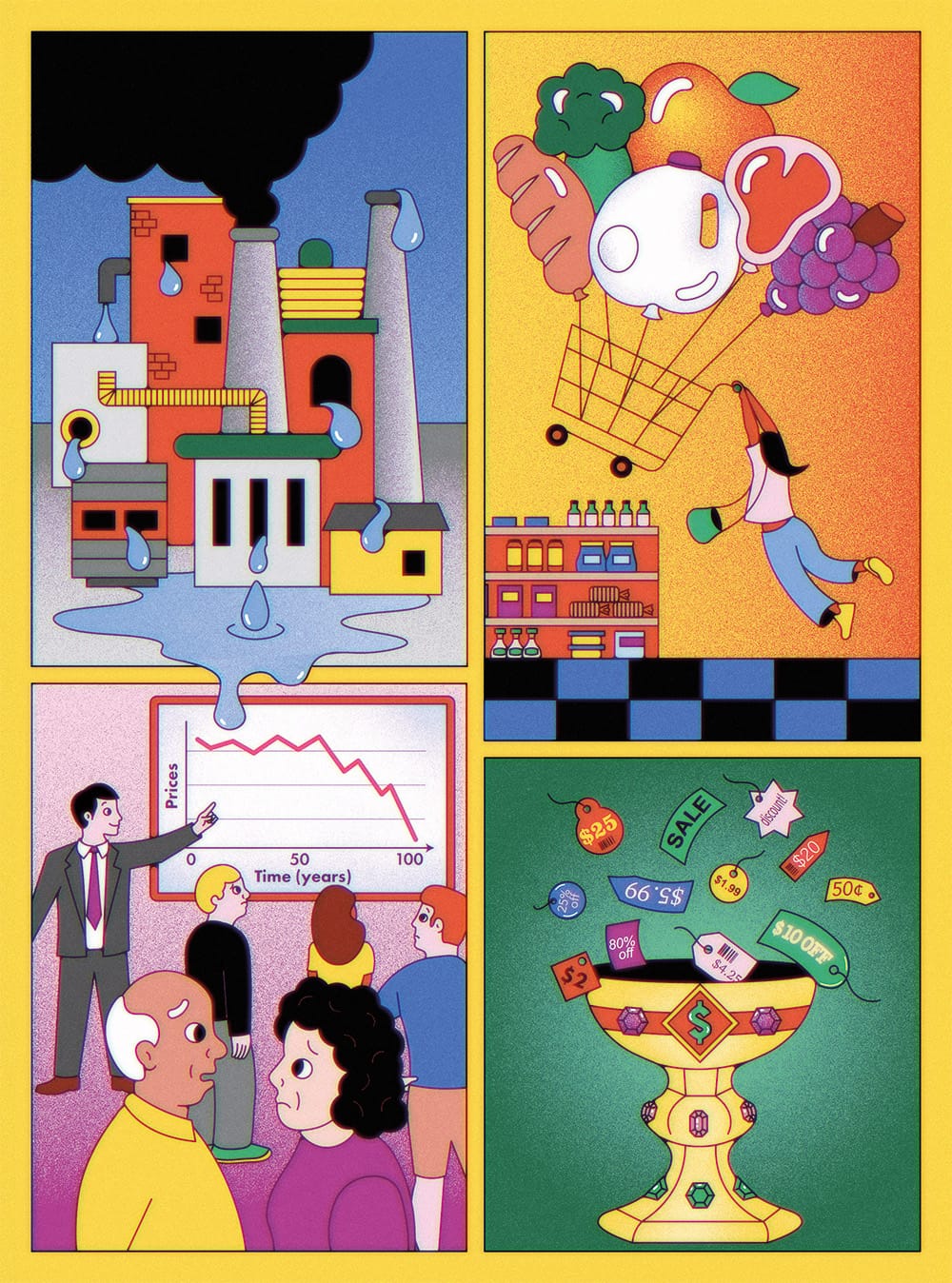
That might be obvious, but what was new to me was the concept of “cheapflation.” This happens when “more people buy the cheaper varieties,” causing those prices to go up more, “especially for essentials.” For instance, supermarkets might remove discounts on those items, essentially doubling their price.
And she briefly discusses housing as well, explaining how high housing prices lead to higher rental prices as well:
People are priced out of even getting on the housing ladder, which means that rents have been going up even more in many places because people who would otherwise have been buying now crowd into the rental market.
I haven't gone into the academic debates over price controls, but if that interests you I recommend reading the interview in its entirety.
3️⃣ David Johansen's Mao
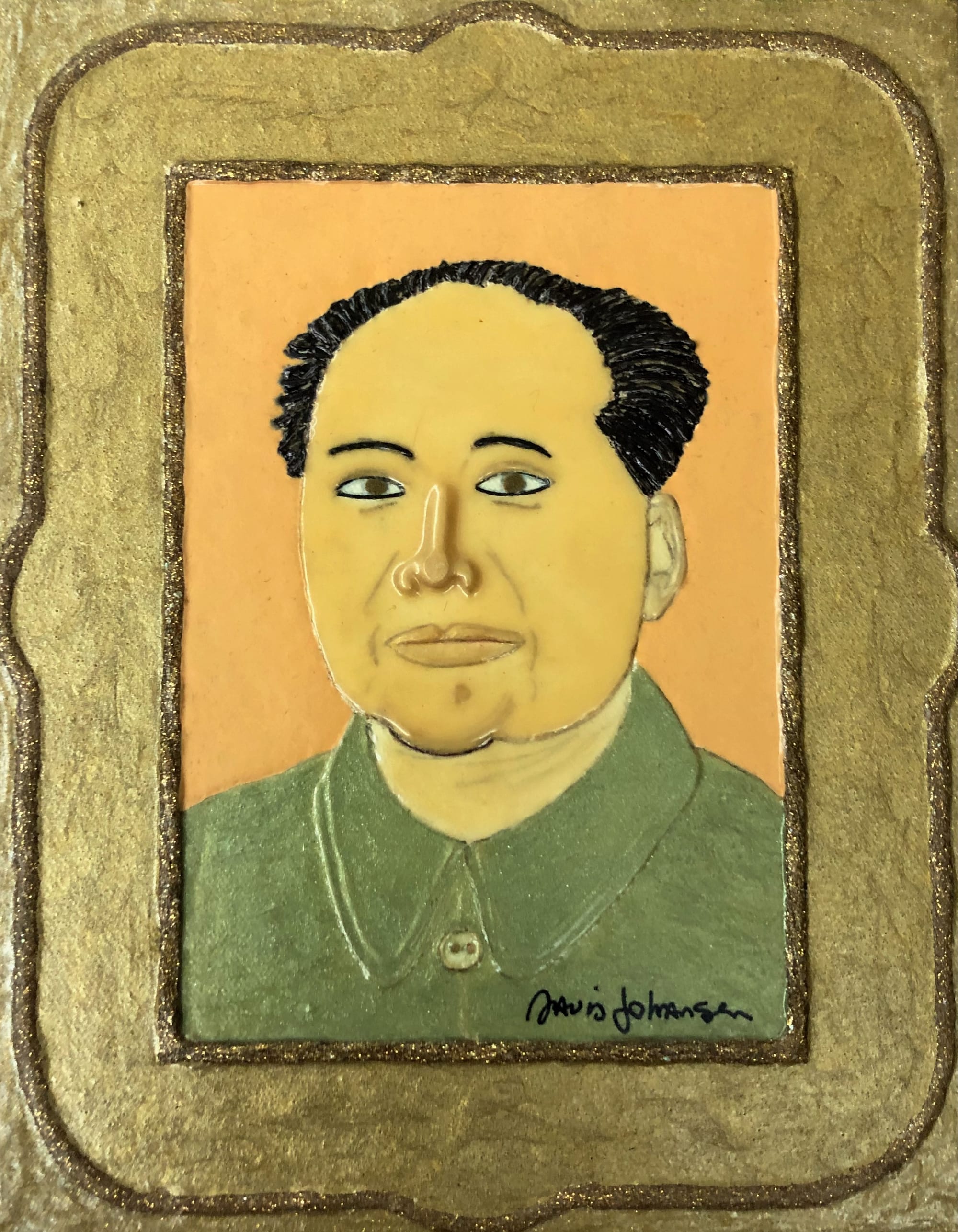
I was sorry to hear that David Johansen had died. (And I was angry to learn that, in the US, even a rock star has to beg for help to pay his medical bills when he's dying of cancer.) I grew up too late to have heard of the New York Dolls, but Buster Poindexter was a regular fixture during the MTV era, and so I thought it was pretty cool when he moved in to the house next door to my parents.
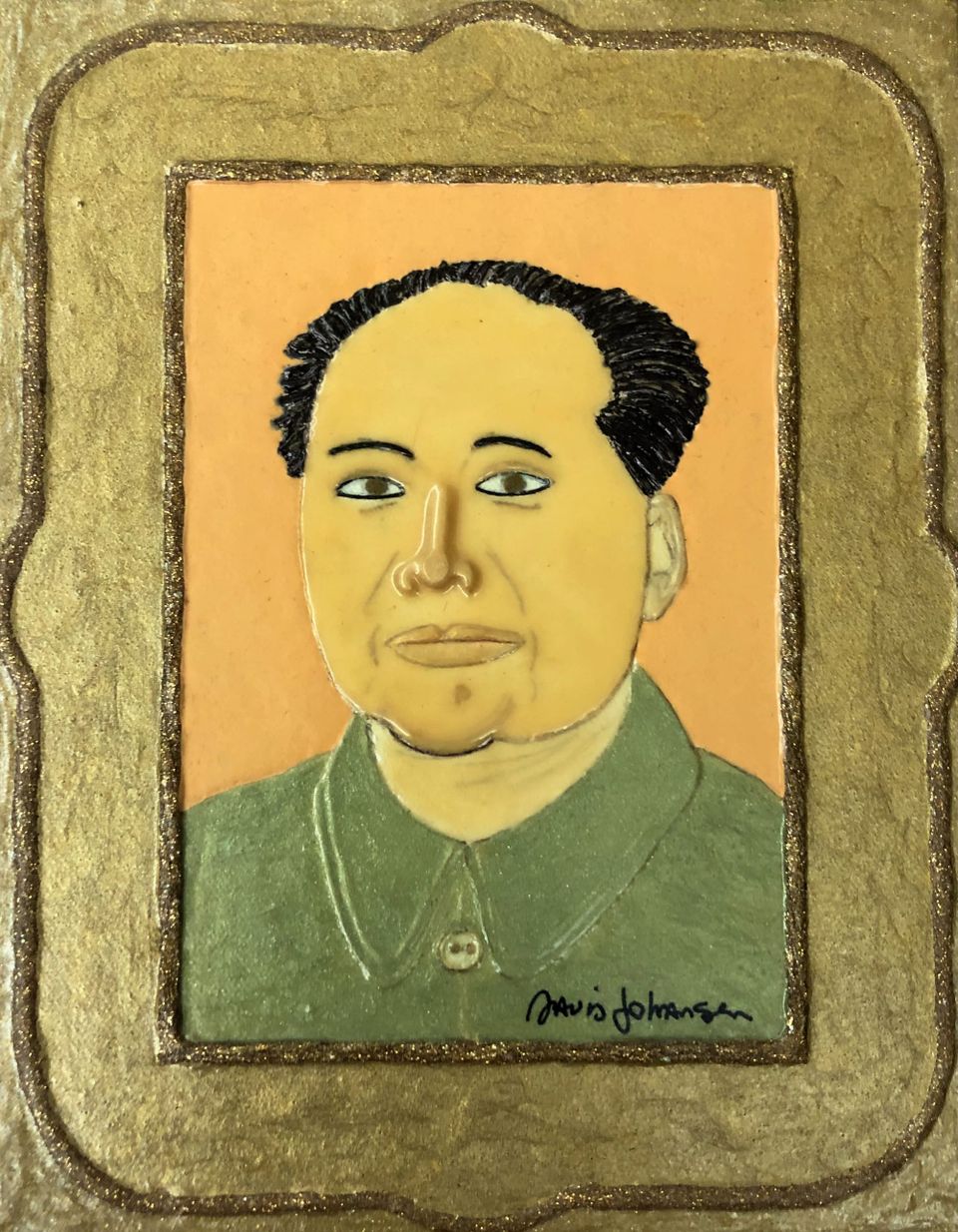
My mom would always invite him to a barbecue she hosted on my birthday every year, but he never showed up—until one year he did. He was high as a kite and had gotten the munchies. He came around the back, to avoid the other guests, and asked if he could have some chicken. I think he was a bit embarrassed about the whole thing because he later returned with a birthday gift, which you see above: a portrait of Mao that he had painted. I don't own many original works of art, so I value each and every one dearly.
Endnote
❤️ Enjoying Triptych? Let your friends know! Encourage them to sign up via the Triptych website. I can't begin tell you how happy it makes me to see even one new subscriber!
💬 Or maybe you'd consider writing a short endorsement for the "kudos" page? You can just email it to me, or fill out this Google form.
💰 Want to ensure the long term sustainability of this newsletter? Consider becoming a sponsor. Sponsorship helps pay for my hosting costs as well as the newspaper and journal subscriptions which, in turn, allow me to provide "gift links" to all subscribers. A big shout-out to my current paid subscribers, you help keep me motivated!
🧧 Don't want to enter into a long term commitment, but still want to support the newsletter? You can always leave a one-time tip if you like.
🦋 Three links not enough for you? Follow me on Bluesky for all the links that don't make it to the newsletter. The newsletter also has its own Bluesky account.
Thank you!
Member discussion