Kerim’s Triptych for Sunday, September 17, 2023
Welcome to Kerim's Triptych, a free newsletter that delivers 3 items to your email inbox, 3 times a month.
If you find yourself sharing something you found here, please be so kind as to let people know you learned about it from Triptych (the newsletter, not just me). Thanks!
If you didn't intend to subscribe, or you don't want to receive these anymore, there is an unsubscribe link at the bottom of the email.
Item 1: The Gefilte Fish Line
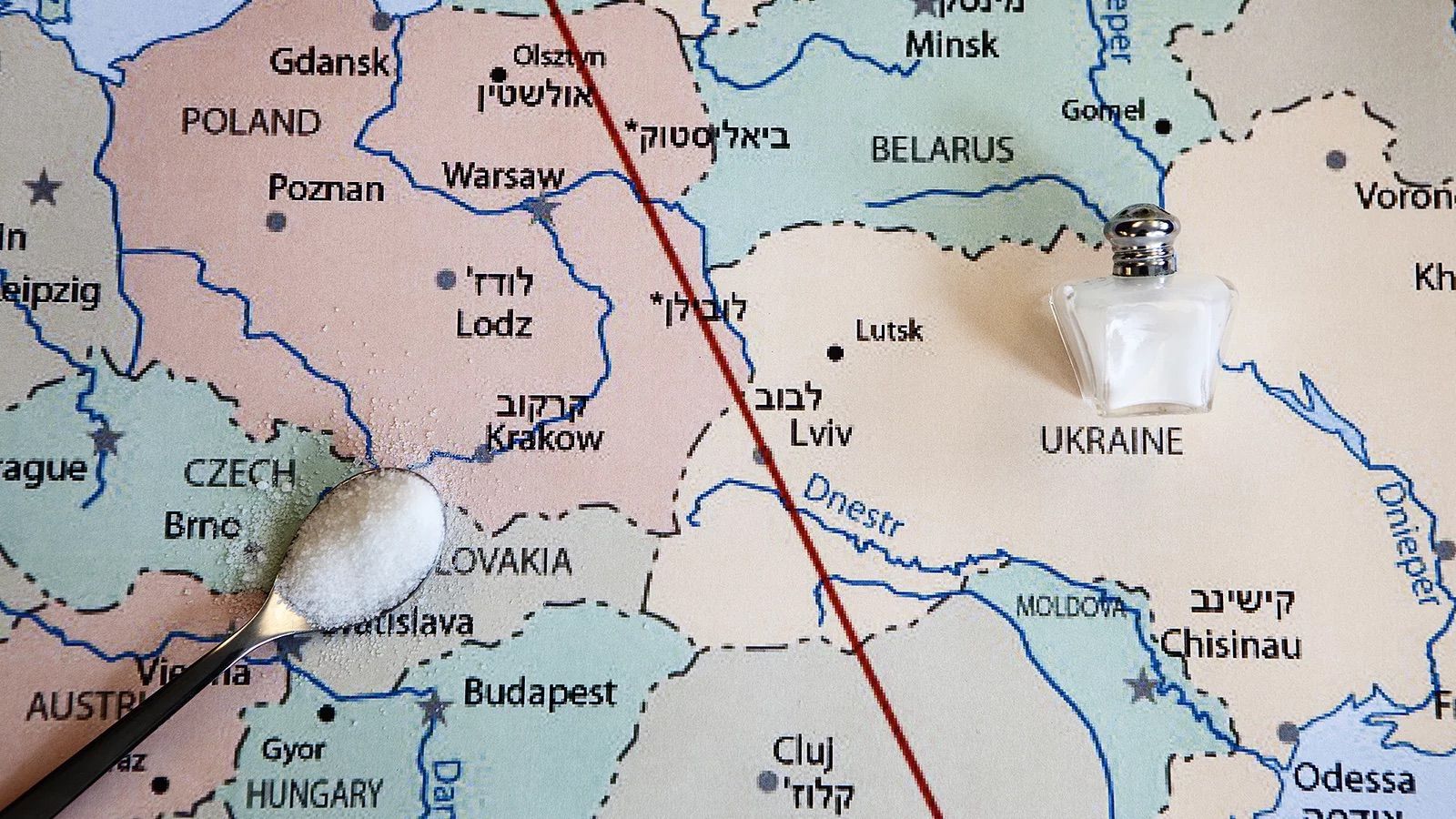
On one side of the divide: sugared sweet gefilte. On the other — the side whose gefilte became standard in American Jewish cuisine — the fish is savory, seasoned with salt and lots of pepper.
… It turns out this difference in gefilte fish comes down to the explosion of a new industry in early 19th-century Poland: sugar beets.
Imported sugar was a highly valued commodity in Europe — "the oil of that time," jokes culinary historian Gil Marks, author of The Encyclopedia of Jewish Food. And in the face of this pricey import, the first sugar beet factory opened at the turn of the 19th century, in what is now southern Poland. From there, the industry (with heavy Jewish involvement) took off, and sugar made its way into everything.
Item 2: Europe’s mummy-eating fad
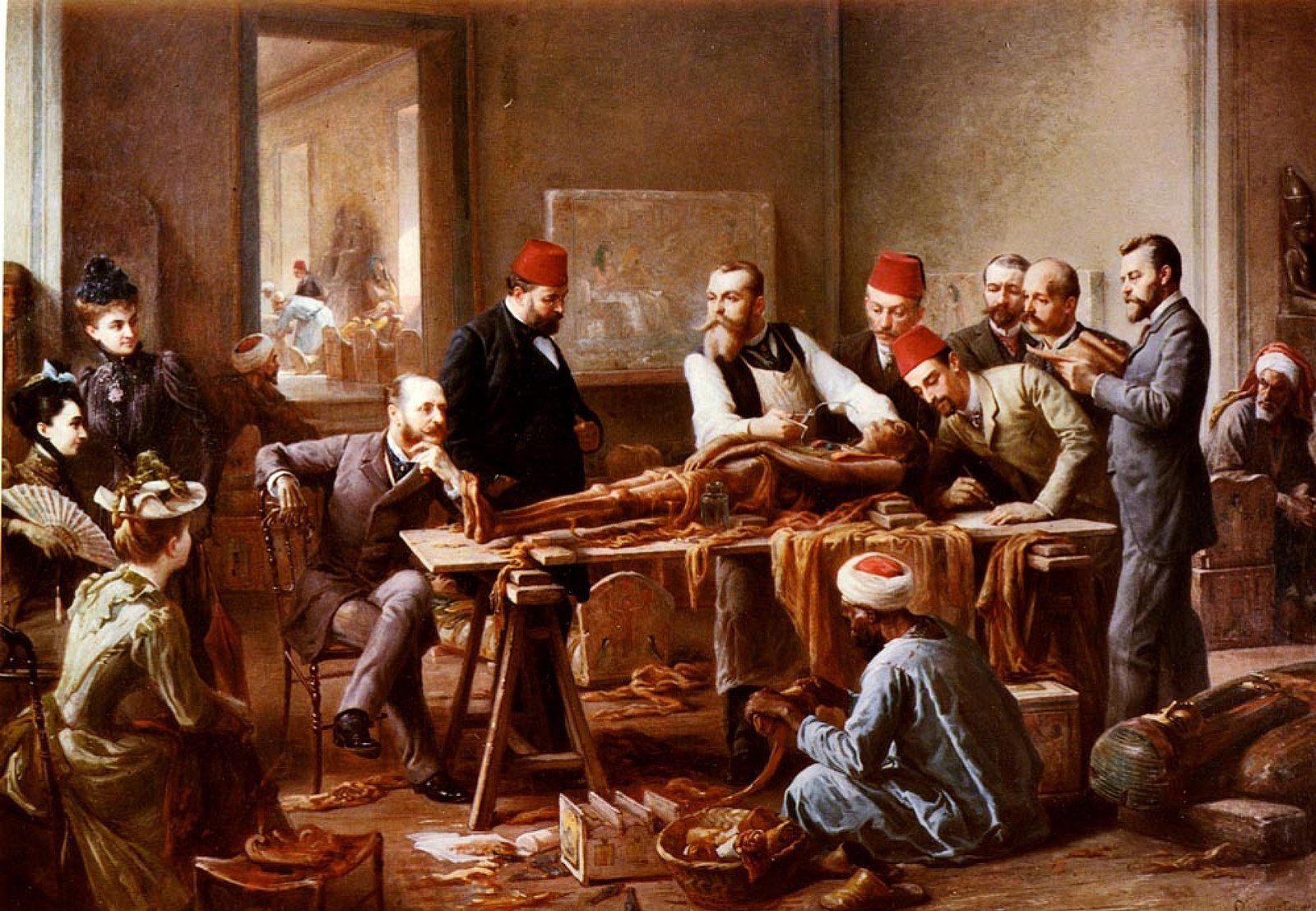
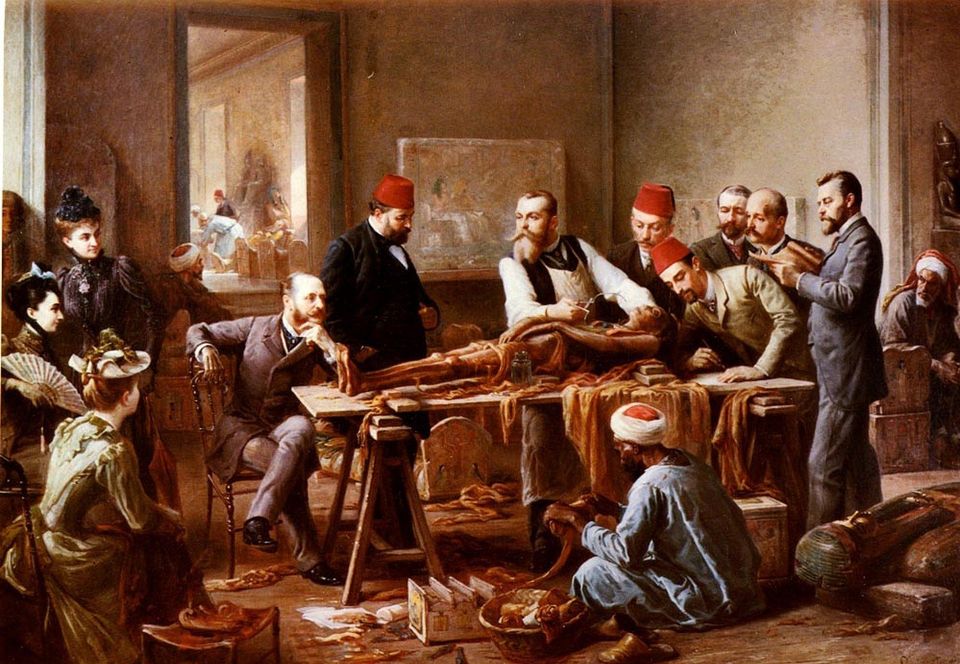
Feeling ill? In 15th-century Europe, the remedy for your headache, stomach ailment, or cancer might come with a side of Egyptian mummy.
For centuries, embalmed bodies were prized across the continent not for their historical value, but for their purported medical benefits. Here’s the surprising reason that people once craved, and ate, mummies.
Item 3: The “Weird Japan” Trap

Here I am betraying my own biases toward a tiresome journalistic genre: the story that depicts Japan as a menagerie of the weird, the alien, the freakish. . . . I am deeply skeptical of the way they are often framed: to maximize the inherent strangeness of the Japanese. Americans, after all, are also having less sex and committing suicide at a higher rate and dying alone and doing kinky cosplay, yet I don’t get the sense reading these stories that these trends are indicative of the fathomless mysteries of the American soul but rather the product of identifiable material and social circumstances.
Endnote
Triptych will always remain free, but my hosting costs are not. If even a handful of subscribers choose to upgrade to paid accounts (just $1 per issue, or significantly less with a yearly plan) it will help cover my costs and also greatly encourage me to keep going with this experiment. Thank you!
Member discussion